

Understanding the Duration of a Rugby Game
Have you ever wondered how long is a game of rugby? This highly dynamic sport captivates fans worldwide, but its timing can sometimes be confusing. A standard rugby match consists of two halves, each lasting 40 minutes, totaling 80 minutes. However, the game’s flow is often interrupted by stoppages, injuries, and other factors, leading to a duration that can extend beyond the basic clock time.
In rugby, the clock runs continuously, meaning that even during stoppages, the game clock doesn’t pause. This is one of the key differences compared to sports like football or basketball, where timeouts and breaks can halt the clock. The referee has the discretion to add extra time at the end of each half to compensate for stoppages, commonly referred to as ‘injury time’ or ‘stoppage time’, which can add anywhere from a few seconds to several minutes at the end of each half. This means that while the game itself is 80 minutes long, you might find yourself watching a match that stretches to 90 minutes or more.
Breakdown of the Game Structure
To fully appreciate how long is a game of rugby, it’s essential to understand its structure. Each half is split into two main phases: the first and second halves, with a halftime break in between. The halftime interval typically lasts about 10 minutes, allowing players to regroup, strategize, and recharge. This break is crucial for player recovery, especially in a physically demanding sport like rugby.
Additionally, the game is divided into different phases of play. Each phase can vary in length depending on factors like penalties, scrums, and injuries. For example, a scrum can take anywhere from 30 seconds to a minute to set up and execute, which contributes to the overall length of the match. Understanding these elements can help fans better appreciate why a rugby match can feel longer than just 80 minutes.
The Role of Referees and Time Management
Referees play a critical role in managing the timing of a rugby game. They have the authority to stop play for various reasons, including injuries, foul play, or to check the integrity of the game. Each of these stoppages can lead to extended periods of play beyond the official game time. Referees also signal when time is added at the end of each half, which can catch spectators off guard if they aren’t familiar with the rules.
Moreover, in professional matches, video assistant referees (VAR) can lead to additional stoppages. These reviews can take several minutes, which will count against the overall match time. Understanding this aspect of rugby can help clarify how long is a game of rugby and why it can sometimes feel unpredictable in terms of its duration. Stack Maze Challenge
Factors Influencing Game Duration
Several factors can influence how long is a game of rugby beyond just the basic structure. For one, the level of play can have a significant impact. In professional leagues, the pace of the game is generally faster, which can lead to fewer stoppages and a more streamlined match. Conversely, in amateur or youth leagues, you might encounter more interruptions due to player inexperience or the need for additional breaks.
Another factor is the weather conditions. Rainy or windy conditions can slow down play significantly, as players need to adapt their strategies and movements. Additionally, injuries can prolong the game, as medical staff must attend to players on the field. Such delays can add considerable time to the match, making it important for fans to understand that the 80 minutes is just a baseline.
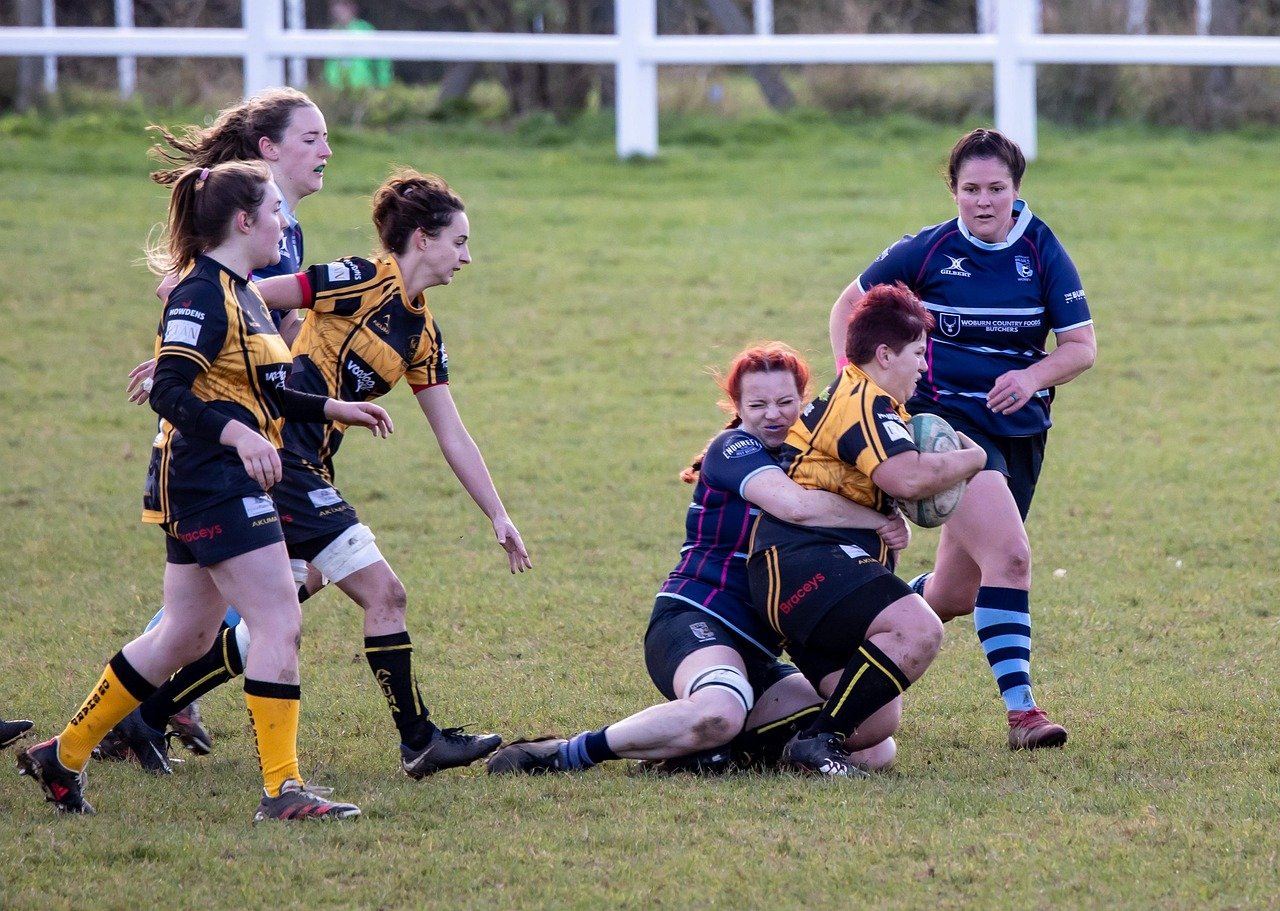
Comparing Rugby to Other Sports
When exploring how long is a game of rugby, it’s interesting to compare it to other popular sports. For example, a typical football game lasts 90 minutes, divided into two 45-minute halves, similar to rugby. However, football has numerous stoppages for fouls, injuries, and substitutions, which can extend the game time significantly. Basketball games usually run for 48 minutes, split into quarters, but the frequent stoppages for fouls and timeouts often lead to a game lasting over two hours.
Rugby’s continuous play can create a different viewing experience. Fans often appreciate the fluidity of the game, which contrasts sharply with sports that have frequent breaks in play. Understanding these differences can enhance your appreciation for the game and its unique timing.
FAQs
How long is a rugby match in total, including stoppages?
A rugby match typically lasts around 90 minutes, including stoppages and injury time, but it can vary depending on the number of stoppages during the game. Capybara Winter Curse
What determines added time in a rugby game?
The referee adds time based on stoppages for injuries, penalties, and any other interruptions that occur during the game.
Are all rugby games the same length?
While most rugby union games are 80 minutes long, variations exist in rugby league and other formats, which may have different match durations.
How does youth rugby differ in duration from adult rugby?
Younger players often play shorter matches, generally 60 minutes total, to accommodate their developing skills and physical stamina.
What happens during a rugby halftime?
Halftime lasts around 10 minutes, providing players a chance to rest, hydrate, and receive coaching instructions before the second half begins.