
Sustainable Living Tips Europe: Embrace Eco-Friendly Practices
Are you looking for practical and impactful ways to embrace a greener lifestyle? Sustainable living isn’t just a trend; it’s a necessity for our planet’s future. In Europe, where environmental awareness is rising, you can find countless opportunities to implement sustainable practices. Let’s explore actionable sustainable living tips Europe offers, from reducing waste to choosing renewable energy.
Understanding Sustainable Living in Europe
Sustainable living refers to making choices that reduce your environmental impact while enhancing your quality of life. In Europe, this concept is gaining traction as communities, businesses, and governments push for greener policies. By embracing sustainable practices, you not only contribute to environmental conservation but also often save money and improve your health.
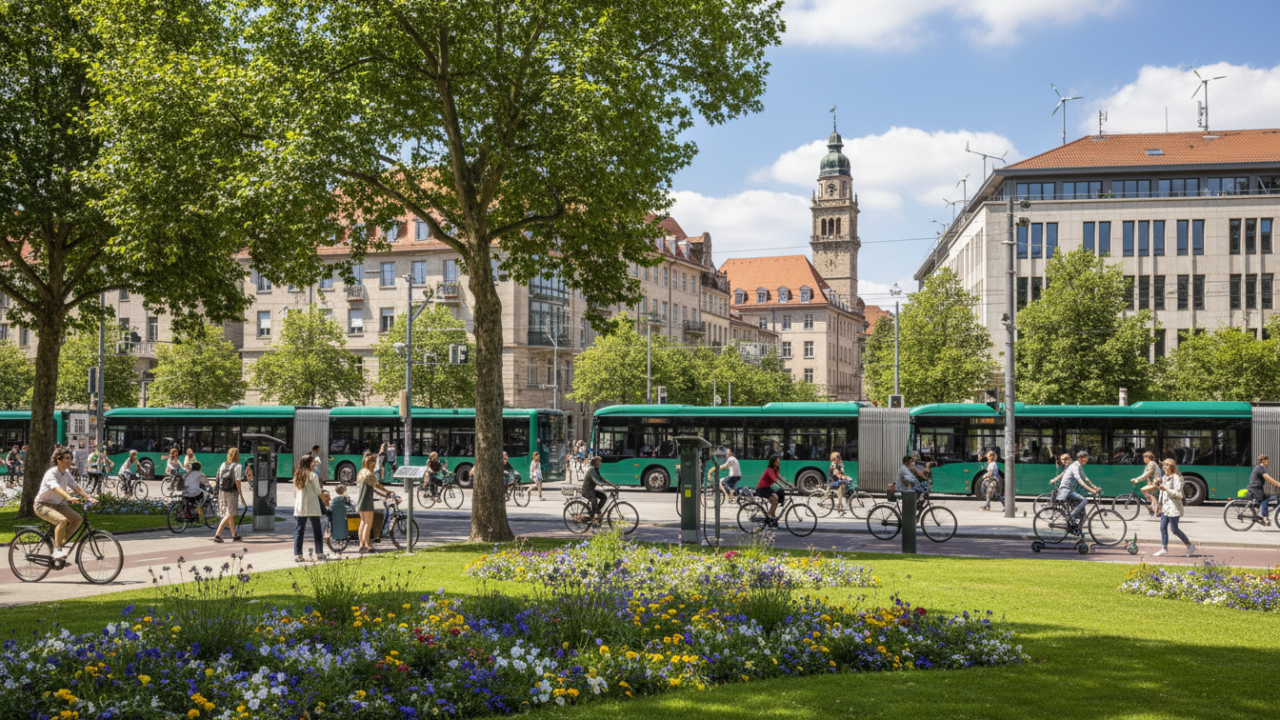
In various European countries, initiatives are being taken to promote sustainability. For instance, many cities are investing in public transport, reducing reliance on cars, and encouraging cycling. This shift not only lowers carbon footprints but also enhances the overall quality of urban living. You’ll notice that many European cities have extensive bike lanes and pedestrian-friendly areas, making it easier to embrace sustainable transportation.
1. Reduce, Reuse, Recycle
One of the fundamental principles of sustainable living is the mantra: reduce, reuse, and recycle. In Europe, many countries have established comprehensive recycling systems that make it easy for residents to dispose of waste responsibly. This starts with reducing what you consume. Consider evaluating your shopping habits. Can you buy in bulk to cut down on packaging? Or perhaps choose products with minimal waste?
Next, focus on reusing items. Before throwing something away, consider if it can serve a new purpose. For instance, glass jars can become storage containers, and old clothes can be transformed into rags or even upcycled into new fashion pieces. Finally, recycling is crucial. Familiarize yourself with your local recycling guidelines to ensure you’re disposing of materials correctly. Many municipalities have specific rules regarding plastics, metals, and paper, so being informed can significantly impact your recycling efforts.
How to Implement a Recycling System
To effectively recycle at home, start by designating separate bins for different materials—one for plastics, one for paper, and another for metals. Make sure these bins are easily accessible so you’re more likely to use them. Additionally, educate your family or housemates about what can and cannot be recycled. This collective effort not only improves your recycling rates but also fosters a more sustainable household.
2. Embrace Renewable Energy
Switching to renewable energy sources is a powerful step in reducing your carbon footprint. Europe is at the forefront of the renewable energy movement, with countries like Germany and Denmark leading the charge in wind and solar energy. If you live in Europe, consider opting for an energy provider that offers green energy options. Many utilities now provide renewable energy plans that source power from wind, solar, or hydroelectric facilities.
If you’re looking to invest in your own energy production, installing solar panels is a fantastic option. While the initial costs can be high, many European governments offer incentives, rebates, and grants that can significantly reduce your investment. Plus, the long-term savings on your energy bill can make this a financially savvy decision.
Choosing the Right Renewable Energy Provider
When selecting a renewable energy provider, look for certifications that indicate their commitment to sustainability. Check if they are part of any recognized programs that promote green energy. You might also read customer reviews and see how they compare in terms of pricing and service reliability.
3. Adopt a Plant-Based Diet
Shifting towards a plant-based diet is one of the most impactful ways to live sustainably. Animal agriculture is a significant contributor to greenhouse gas emissions, deforestation, and water usage. By reducing meat and dairy consumption, you can lower your ecological footprint dramatically. Europe has seen a rise in vegetarian and vegan options, making it easier than ever to enjoy delicious meals without relying on animal products. Work Visa Europe for Asians: Your Complete Guide

Start by incorporating more plant-based meals into your week. Experiment with new recipes that highlight vegetables, grains, and legumes. Not only will you be helping the planet, but you might also discover a new favorite dish. Many European countries celebrate their rich culinary traditions that focus on seasonal and local produce, which can also reduce transportation emissions.
How to Transition to a Plant-Based Diet
To make the transition smoother, you might consider starting with “Meatless Mondays” and gradually increasing the number of plant-based meals in your diet. Explore local farmers’ markets to find fresh, seasonal ingredients that support local agriculture. Websites and apps dedicated to plant-based eating can provide recipes and meal plans to ease your journey.
4. Sustainable Transportation Options
Transportation is a major contributor to greenhouse gas emissions, but Europe is leading the way in promoting sustainable travel. Trains, trams, and buses are widely available in most cities, providing efficient alternatives to driving. By utilizing public transport, you can significantly reduce your personal carbon emissions.
If public transportation isn’t an option, consider cycling or walking whenever possible. Many European cities are bike-friendly, with dedicated lanes and rental programs that make it easy to get around. Plus, biking or walking not only benefits the environment but also improves your health.
Benefits of Cycling and Walking
Cycling and walking are excellent ways to incorporate exercise into your daily routine. They also reduce traffic congestion and improve local air quality. Many cities have begun to invest in bike-sharing programs, making it even easier to choose this eco-friendly option. If you’re unsure where to start, look for local cycling groups or community events that promote biking and walking.
5. Support Local and Sustainable Businesses
One of the most impactful choices you can make is to support local businesses that prioritize sustainability. This includes farmers’ markets, local artisans, and shops that focus on ethical sourcing and production practices. By doing so, you’re not only helping the environment but also contributing to your local economy.
In Europe, many cities have initiatives that encourage residents to shop locally. This means your purchases support local farmers and artisans instead of large corporations that often have larger carbon footprints. Look for eco-labeled products that indicate sustainable practices, such as fair trade or organic certifications.
Finding Sustainable Brands
Research brands before making purchases. Many companies are now transparent about their sourcing and production methods, so take advantage of this information. Look for certifications that indicate sustainable practices, such as the EU Ecolabel or Fair Trade certification. Engaging with local businesses through social media or community events can also help you make informed choices.
6. Reduce Water Consumption
Water scarcity is a pressing issue in many parts of Europe, making it crucial to adopt water-saving practices. Simple changes in your daily routine can lead to significant reductions in water consumption. Start by fixing leaks in your home and installing low-flow fixtures in your faucets and showers. These little adjustments can save gallons of water daily. EV Charging Network Europe 2026: What You Need to Know
Another effective method is to collect rainwater for gardening or other non-potable uses. Many European countries have regulations and support for rainwater harvesting systems, making it easier to implement this sustainable practice. Additionally, be mindful of your water usage during activities like washing dishes or laundry—only run full loads and consider air-drying when possible.
Home Water-Saving Tips
- Take shorter showers.
- Turn off the tap while brushing your teeth.
- Use a broom instead of a hose to clean driveways and sidewalks.
- Water your garden in the early morning or late evening to reduce evaporation.
7. Create a Sustainable Home Environment
Your home can play a significant role in your sustainable lifestyle. Start by choosing eco-friendly materials for renovations and furnishings. Look for items made from sustainable resources, such as bamboo or reclaimed wood. Additionally, consider energy-efficient appliances that consume less energy, which can save on your electricity bill and reduce your carbon footprint.
Incorporating plants into your home can also improve air quality and enhance your living space. Many plants naturally filter toxins from the air, making your home healthier. Not only do they add aesthetic value, but they also contribute to a more sustainable living environment.
Tips for a Greener Home
- Use non-toxic cleaning products or make your own using simple ingredients like vinegar and baking soda.
- Opt for LED lighting instead of incandescent bulbs.
- Embrace natural ventilation by opening windows instead of relying solely on air conditioning.
8. Stay Informed and Get Involved
To make a real impact, stay informed about sustainability issues in Europe and get involved in your community. Attend workshops, join local environmental groups, or participate in community clean-up events. By connecting with like-minded individuals, you can share ideas, resources, and support each other’s sustainable living journeys.
Additionally, consider advocating for policies that promote sustainability in your local government. Engage with your representatives to express your support for renewable energy initiatives, waste reduction programs, and sustainable transportation projects. Every voice matters, and collective action can drive significant change.
Ways to Engage with Your Community
- Join local environmental organizations.
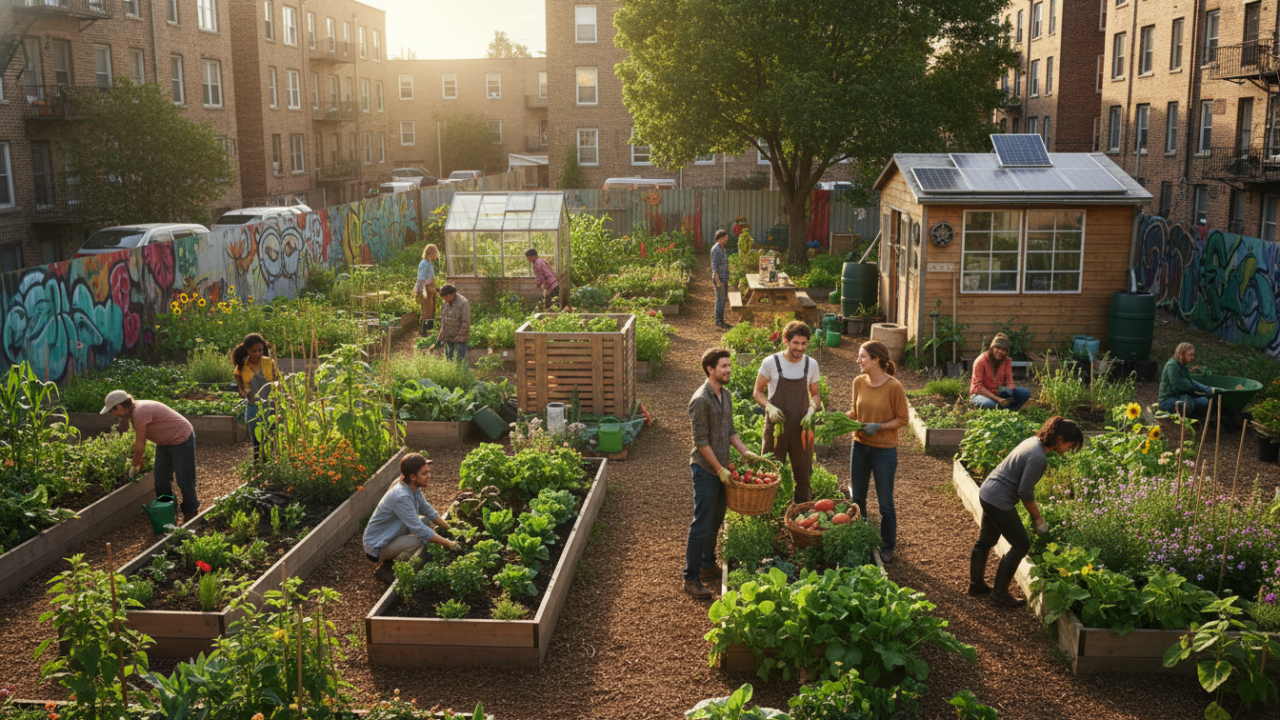
- Participate in community gardens.
- Attend sustainability fairs or workshops.
FAQs
What are some easy sustainable living tips in Europe?
Start with reducing waste, using public transportation, supporting local businesses, and conserving water. Small changes can make a big difference.
How can I support renewable energy in my home?
Choose a renewable energy provider, invest in solar panels, and promote energy efficiency in your home.
Is a plant-based diet really more sustainable?
Yes, it significantly reduces resource consumption and greenhouse gas emissions compared to diets high in animal products.
How important is community involvement in sustainable living?
Community engagement fosters collaboration and amplifies efforts toward sustainability, making a larger impact.
Where can I learn more about sustainable living?
Explore local workshops, online resources, and community events focused on sustainability to gain more insights and practical tips.