

Understanding Agentic AI
When we talk about artificial intelligence, many concepts float around. One of the most intriguing is agentic AI. But what does that mean, especially for someone just starting? In simple terms, agentic AI refers to systems that can act autonomously based on a set of defined goals. Unlike traditional AI, which might assist in tasks, agentic AI can make decisions, interact with users, and learn from its environment. Think of it as a more advanced form of AI that doesn’t just follow commands but can also take initiative.
At its core, agentic AI embodies the essence of autonomy. Imagine a robot that not only follows your orders but also assesses situations and makes choices based on its programming and learned experiences. This type of AI is designed to process information, analyze data, and act independently, leading to more dynamic interactions and solutions. By understanding agentic AI, you’re stepping into the future of technology where machines might play a more central role in decision-making processes across various sectors.
Key Features of Agentic AI
So, what makes agentic AI stand out from other types of AI? There are several key features that define it:
- Autonomy: Agentic AI operates independently of direct human oversight, allowing it to make decisions on its own.
- Goal-Oriented: These systems are programmed to achieve specific objectives, adapting their strategies based on the situation.
- Learning Capability: Through machine learning algorithms, agentic AI can improve its performance over time, learning from past experiences.
- Interaction: Unlike traditional AI, which often requires user input, agentic AI can interact with its environment and users in a more natural, intuitive manner.
These features collectively enable agentic AI to function in real-world scenarios more effectively. For example, a smart home system could not only respond to voice commands but also learn your preferences over time, adjusting settings automatically to suit your needs. This ability to adapt and function without constant human direction makes agentic AI a powerful tool across various industries.
Applications of Agentic AI
Agentic AI is making waves in numerous fields, transforming how we interact with technology. Here are some notable applications:
- Healthcare: Imagine an AI system that can analyze patient data, predict health issues, and suggest treatment plans autonomously. This capability can lead to more accurate diagnoses and personalized patient care.
- Finance: In finance, agentic AI can manage investment portfolios, assess market trends, and even execute trades without human intervention, optimizing returns based on real-time data.
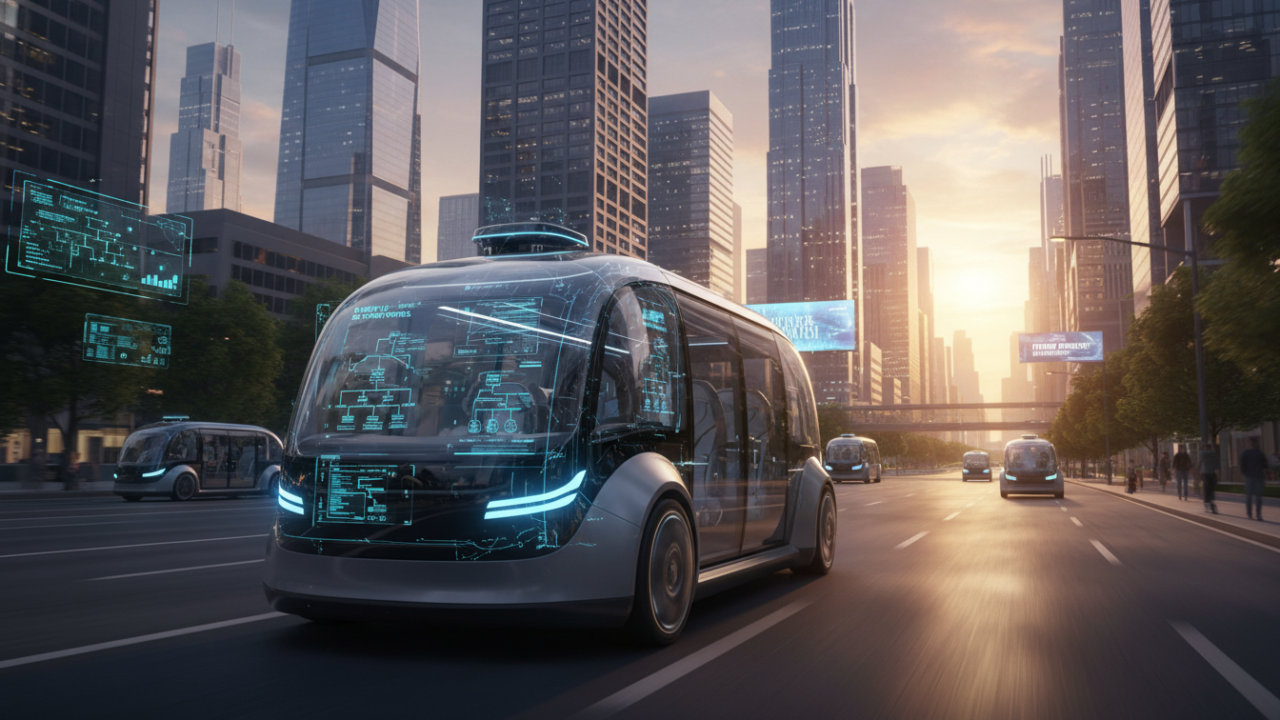
- Transportation: Autonomous vehicles rely heavily on agentic AI to navigate roads, make decisions based on traffic conditions, and ensure passenger safety.
- Smart Homes: From adjusting heating based on your habits to managing energy consumption, agentic AI can create a more efficient living environment.
These examples showcase how agentic AI isn’t just a theoretical concept; it’s actively shaping industries by enhancing efficiency, accuracy, and user experience. Each application represents a step towards a future where technology not only assists us but also anticipates our needs.
Challenges Facing Agentic AI
Despite its promising potential, agentic AI isn’t without challenges. Here are some significant hurdles developers and organizations face: Sustainable Living Tips Europe: Embrace Eco-Friendly Practices
- Ethical Concerns: As these systems operate independently, ethical dilemmas can arise, especially in areas like healthcare and law enforcement. How do we ensure they make decisions that align with human values?
- Security Risks: Autonomous systems can be vulnerable to hacking or manipulation, leading to unintended consequences. Ensuring the security of these systems is paramount.
- Regulatory Issues: Current regulations may not adequately address the complexities of agentic AI, leading to uncertainty in implementation and compliance.
- Technological Limitations: While advancements are rapid, there are still limitations in AI’s ability to understand context and nuance, which can lead to incorrect decisions.
Addressing these challenges will require collaboration between technologists, ethicists, and lawmakers to create frameworks that promote safe and responsible use of agentic AI. As we continue to develop this technology, it’s crucial to consider not just the capabilities but also the implications of autonomous decision-making systems.
Future of Agentic AI
The future of agentic AI looks promising, with endless possibilities on the horizon. As technology advances, we can expect to see even more sophisticated systems that can perform complex tasks across various domains. In the coming years, the integration of agentic AI into daily life will likely become more prevalent. For instance, imagine virtual assistants that can not only schedule your appointments but also analyze your health data and suggest lifestyle changes.
Moreover, as companies invest more in research and development, breakthroughs in AI algorithms and hardware will enhance the capabilities of agentic AI. This could lead to improved natural language processing, better contextual understanding, and more effective learning processes. As these systems become more advanced, they could revolutionize industries ranging from education to agriculture, paving the way for innovative solutions to longstanding challenges.
Comparing Agentic AI to Traditional AI
To truly grasp what agentic AI is, it helps to compare it with traditional AI. Traditional AI systems are typically designed to perform specific tasks under human direction. They rely on data input and predefined algorithms to execute functions. In contrast, agentic AI systems are designed to operate independently. They learn from their environment and experiences, allowing them to adapt and make decisions without ongoing input.
This distinction has profound implications. For example, whereas traditional AI might assist a doctor by providing data on patient symptoms, agentic AI could analyze that data, propose diagnoses, and even recommend treatment paths. This shift from support to autonomy can drastically change workflows in various sectors, making processes faster and potentially more efficient.

How to Get Started with Agentic AI
If you’re intrigued by agentic AI and want to explore it further, here’s how you can get started: Work Visa Europe for Asians: Your Complete Guide
- Learn the Basics: Familiarize yourself with AI fundamentals. Online courses and resources are widely available.
- Explore Tools and Platforms: Experiment with AI development platforms like TensorFlow or AI libraries that support autonomous learning.
- Join Communities: Engage in online forums, attend workshops, or join local meetups focused on AI and agentic systems.
- Stay Updated: Follow industry news, research papers, and AI conferences to keep abreast of the latest developments in agentic AI.
By taking these steps, you can build a solid foundation in agentic AI and position yourself at the forefront of this exciting technological evolution. Whether you’re considering a career in AI or simply curious about its potential, these actions will provide valuable insights and hands-on experience.
FAQs
What is agentic AI?
Agentic AI refers to autonomous systems capable of making decisions and taking actions independently based on predefined goals and learned experiences.
How does agentic AI differ from traditional AI?
Unlike traditional AI, which requires human input for tasks, agentic AI operates autonomously, learning from its environment and adapting its strategies over time.
What are some applications of agentic AI?
Applications include healthcare diagnostics, autonomous vehicles, smart home systems, and financial trading, among others.
What challenges does agentic AI face?
Key challenges include ethical concerns, security risks, regulatory issues, and technological limitations in understanding context.
How can I start learning about agentic AI?
You can start by learning the basics of AI, exploring development tools, joining communities, and staying updated on industry trends.