

Understanding the Structure of a Rugby Game
Ever wondered how long is a rugby game? If you’re new to rugby, it might seem a bit confusing. Rugby isn’t just a game of running and tackling; it has a well-defined structure that affects its duration. A standard rugby match lasts for 80 minutes, split into two halves of 40 minutes each. However, there’s more to it than just clock watching.
Each half is further divided into play and stoppage time. The referee has the discretion to add extra time at the end of each half to account for stoppages, injuries, and any delays during the match. This can make the actual time spent watching the game longer than the 80 minutes on the clock, often resulting in matches that last anywhere from 90 to 100 minutes in total. Understanding this structure helps you appreciate the game better and plan your time accordingly.
Why Rugby Matches Can Feel Longer
Rugby isn’t just about the time on the scoreboard. The intensity of the game can make it feel much longer than it is. With constant action, strategy changes, and player substitutions, your attention is constantly engaged. Unlike sports that stop the clock for every minor infraction, rugby maintains a continuous flow of play. This means the excitement builds, and before you know it, you’re deep into the match.
Another factor that contributes to the feeling of longer play is the nature of stoppages. While the clock keeps ticking, players may pause for injuries, discussions, and set pieces like scrums and lineouts. These moments, while essential for the game, can stretch out the match time considerably. Fans often find themselves caught up in the drama of these moments, adding to the immersive experience of watching rugby.
The Role of Extra Time in Rugby
Now, let’s break down what happens in cases where the match ends in a tie, especially in knockout tournaments. In such scenarios, rugby employs a system of extra time. This consists of two additional halves, usually 10 minutes each, played in full. If the score remains tied after this period, the match can go to a sudden death scenario, where the first team to score wins.
This format dramatically increases the stakes and excitement for fans. You’ll find yourself on the edge of your seat, knowing that every moment counts. The unpredictability of extra time adds layers to the match, making it essential for fans to understand how long is a rugby game, especially during crucial matches. How Long Is a Rugby Game: The Complete Breakdown
Variations in Game Duration Across Different Rugby Formats
Rugby is not a one-size-fits-all sport. There are different formats, each with its own rules regarding game duration. The most common formats are Rugby Union and Rugby League. In Rugby Union, as mentioned, a match lasts 80 minutes, while in Rugby League, the game is shorter, lasting 80 minutes but divided into two 40-minute halves as well.
Then there’s Rugby Sevens, which is an exciting variant. Sevens matches are much shorter, typically lasting around 14 minutes, divided into two halves of 7 minutes. This quick format is designed for fast-paced action, and tournaments can involve multiple matches in a single day, making it a thrilling experience for players and fans alike. So, depending on the format, how long is a rugby game can vary significantly.
Factors Influencing Game Duration
Several factors can impact how long a rugby game lasts. Weather conditions, for instance, can lead to delays. Heavy rain or strong winds might cause stoppages for player safety or even lead to a match being postponed. Player injuries are another major factor. When a player is injured, the game stops, and the medical team comes in to assess the situation, which adds to the overall duration of the match.
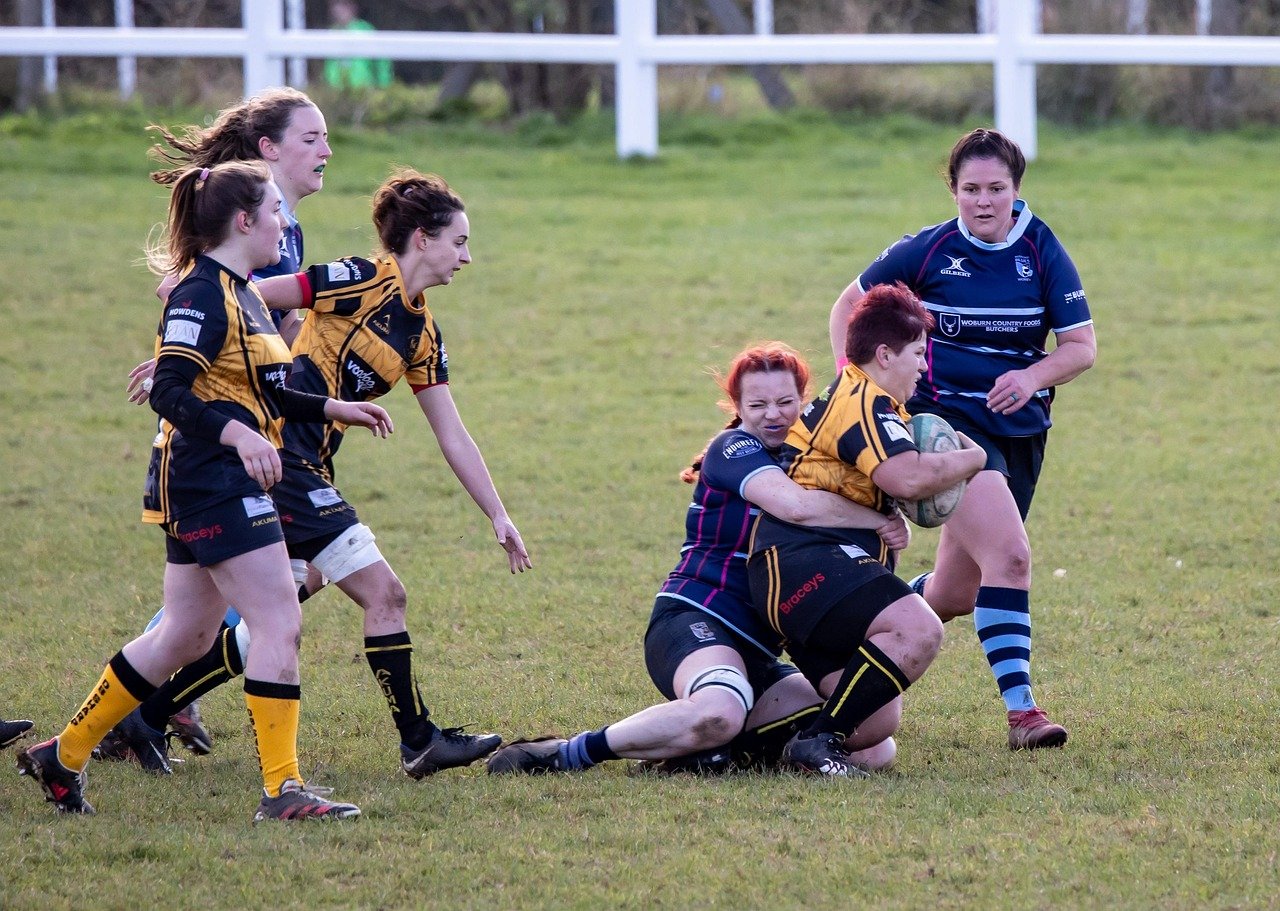
Referee decisions also play a critical role. The referee can stop the clock for various reasons, including disciplinary actions or for consulting with assistants. This stops the flow of the game and can lead to extended periods of play beyond the official match time. Understanding these nuances can help you appreciate the game even more.
Preparing to Watch a Rugby Match
So, if you’re planning to watch a rugby game, how long is a rugby game should be just one of your considerations. It’s vital to factor in additional time for stoppages, half-time breaks, and potential extra time. If you’re hosting friends for a match viewing or attending in person, building in that buffer time ensures you won’t miss any key moments. How Do You Play the Game of Spoons: Complete Guide
Also, consider the atmosphere of the match. Rugby is known for its passionate fans and vibrant atmosphere. Arriving early allows you to soak it all in, from pre-match activities to the electric energy of the crowd. Plus, it gives you a chance to grab some snacks and settle in for what’s sure to be an exhilarating experience.
FAQs
How long is a rugby game on average?
A standard rugby game typically lasts 80 minutes, split into two halves of 40 minutes each, but can extend due to stoppages and extra time.
What is the half-time duration in a rugby match?
Half-time in a rugby match usually lasts for 10 minutes, allowing players to regroup and strategize before the second half begins.
Do rugby games always go to extra time?
No, extra time is only played in knockout tournaments if the score is tied at the end of regular play.
What factors can extend a rugby game’s duration?
Injuries, weather conditions, and referee decisions can all lead to extended match durations beyond the standard 80 minutes.
Can rugby games end in a tie?
In most league formats, matches can end in a tie, but in knockout tournaments, extra time or a tie-breaker is used to determine the winner.