

Get Ready for AI Winter Olympics 2026 Coverage
The excitement is building as the AI Winter Olympics 2026 coverage approaches. With the integration of artificial intelligence in sports, the 2026 Winter Olympics in Milan-Cortina promises to showcase groundbreaking innovations that will redefine how we experience these prestigious games. Imagine watching your favorite athletes with real-time data analysis, personalized viewing options, and AI-driven insights enhancing every moment. As we gear up for this event, it’s essential to understand what to expect, how AI will play a significant role, and how you can access comprehensive coverage.
The AI Winter Olympics 2026 is set to be a pivotal moment in sports broadcasting and engagement. Fans will no longer passively watch events; they’ll actively participate in a heightened experience crafted through AI technology. The games will feature enhanced performance tracking, predictive analytics, and even virtual reality experiences that immerse you in the action. With these advancements, you’ll gain insights that were previously only available to coaches and analysts. This article will explore the depths of AI integration, the coverage you can expect, and how you, as a fan, can make the most of this exciting event.
AI Innovations in Sports
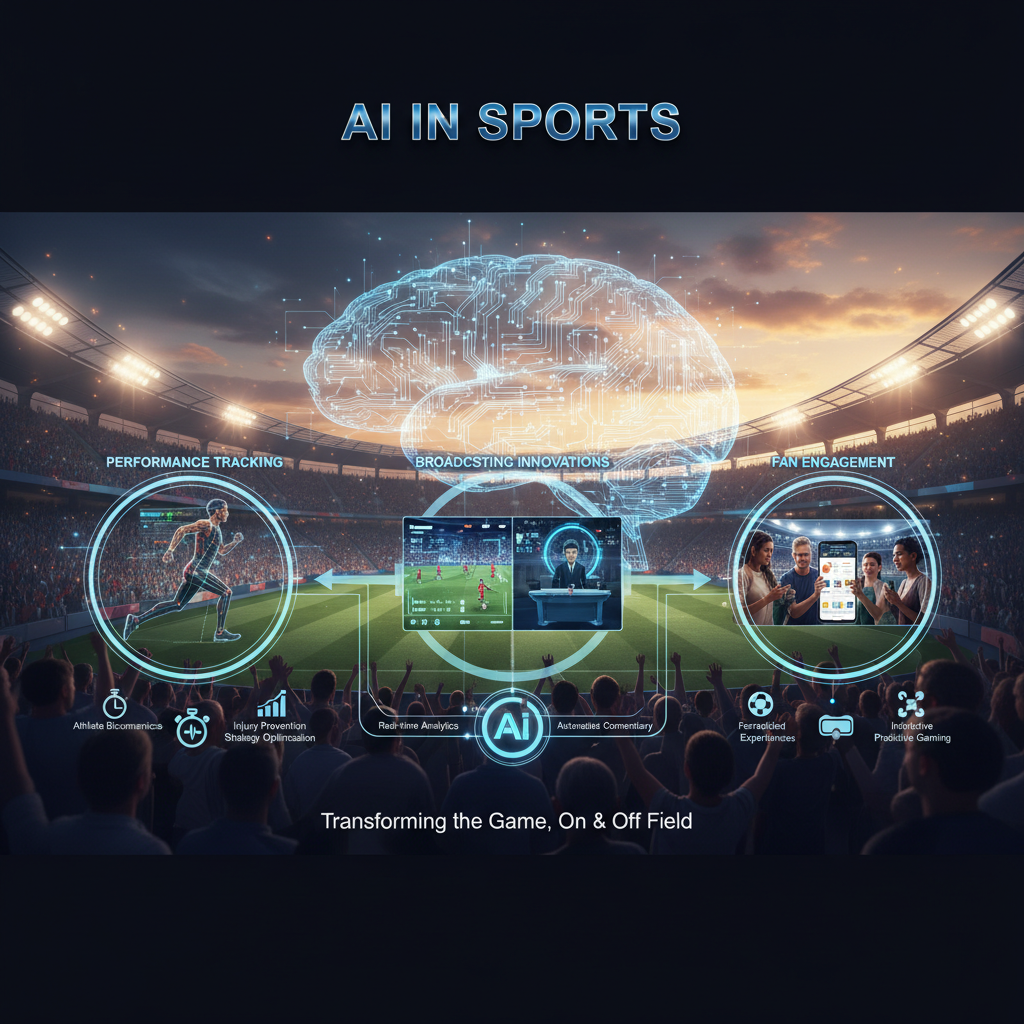
Artificial intelligence is transforming sports in numerous ways, and its impact will be prominently displayed during the AI Winter Olympics 2026 coverage. From athlete performance analysis to fan engagement techniques, AI is paving new avenues for interaction and insight. For example, AI systems can analyze athletes’ movements in real-time, providing coaches with data that can influence training strategies and game tactics. This level of detail was previously unthinkable, allowing for more tailored coaching and improved athlete performance.
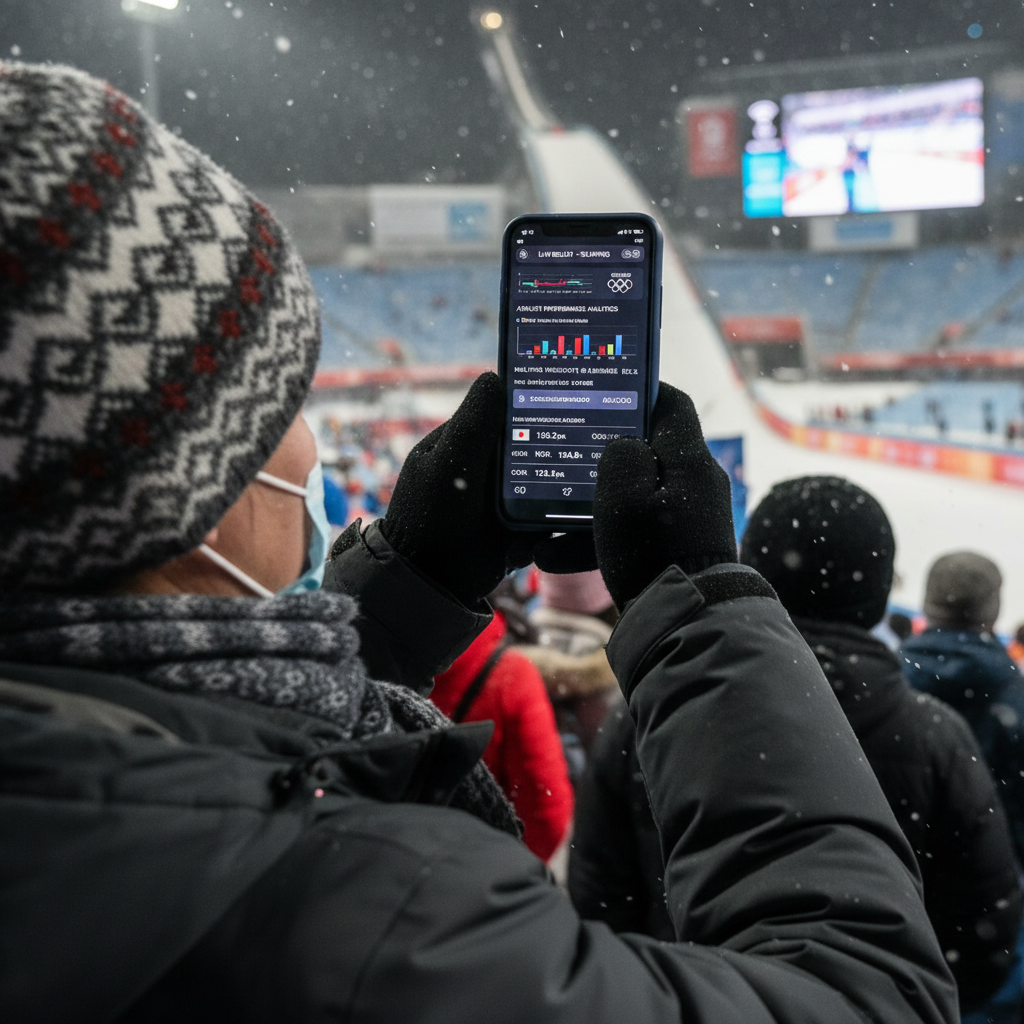
Moreover, AI can predict outcomes based on historical data and current performance metrics. Sports analysts will leverage machine learning algorithms to forecast results, giving fans a deeper understanding of the competition. Imagine watching a live event and having instant stats about an athlete’s performance displayed in real-time. This not only enriches your viewing experience but also makes you feel more connected to the sport. Fans will be able to access personalized content, such as highlights tailored to their favorite athletes, ensuring they never miss a moment of the action.
How AI Will Enhance Broadcasting
The broadcasting landscape is set to undergo a significant transformation during the AI Winter Olympics 2026. Traditional broadcasting methods will be complemented by AI technology that promises enhanced viewing experiences. Broadcasters are investing in AI tools that allow for dynamic camera work and intelligent switching based on the action happening on the field or rink. For instance, AI can automatically track athletes, switching camera angles when they reach critical points in a race or match.
Furthermore, through natural language processing, AI will enable viewers to engage with broadcasts in new ways. Imagine being able to ask your device about an ongoing event and receiving instant, detailed responses about athletes, stats, and even historical context. This level of interactivity means that you can have a more hands-on approach to your viewing experience, making it more enjoyable and informative. As the games unfold, you can expect broadcasters to utilize AI to provide insights and analytics that enhance the overall narrative of the events.
Accessing Coverage: Where to Watch
As the AI Winter Olympics 2026 coverage takes shape, knowing where to find the best content is crucial. Major networks and streaming platforms are gearing up to provide extensive coverage across various devices. NBC, for instance, has secured the rights to broadcast the Olympics in the United States, while international viewers may have access through different regional broadcasters. You can also expect platforms like Peacock and ESPN+ to offer live coverage, replays, and exclusive content tailored for digital audiences. Cost of Living Australia Tips: Save More, Live Better
In addition to traditional broadcasters, social media platforms will play a pivotal role in coverage. Expect to see live updates, highlights, and behind-the-scenes content on platforms like Twitter, Instagram, and TikTok, where real-time engagement thrives. Following your favorite athletes and teams on these platforms will ensure you stay updated with the latest developments. The integration of AI will also allow for personalized feeds that curate content based on your interests, ensuring you get the most relevant updates.
Fan Engagement Through AI
Fan engagement is vital for any sporting event, and the AI Winter Olympics 2026 coverage will take this to an entirely new level. AI-driven platforms will allow fans to participate in virtual experiences, such as AI-generated simulations of events, where you can compete against your favorite athletes in a virtual setting. This not only adds an interactive element to the games but also creates a sense of community among fans.
Moreover, platforms are likely to implement AI chatbots to provide real-time information about the events, schedules, and athlete statistics. This means you can get answers to your questions instantly, enhancing your experience as you follow the games. AI will also enable personalized notifications about events, ensuring you never miss a game or crucial moment. The emphasis on fan interaction will make the Olympics not just a series of events but a globally interconnected experience.
Challenges and Concerns with AI Integration
Despite the numerous advantages of AI in sports, there are challenges and concerns that come with its integration. One key issue is the potential for data privacy breaches. As AI systems collect vast amounts of data from athletes and fans, ensuring that this information is secure is paramount. Regulatory frameworks will need to evolve to keep pace with technology, protecting both participants and viewers alike.
Another concern is the potential for bias in AI algorithms. If not properly managed, AI could unintentionally favor certain athletes or teams based on historical data patterns. It’s essential for organizations to implement checks and balances to ensure fairness in how AI is applied, particularly in high-stakes environments like the Olympics. Addressing these challenges is crucial to maintaining trust in the technology and ensuring that it enhances the sporting experience rather than detracts from it.
Conclusion: The Future of Sports is Here
The AI Winter Olympics 2026 coverage is poised to redefine how we engage with sports. With innovative AI technologies enhancing everything from broadcasting to fan interaction, you can expect a dynamic and immersive experience like never before. As we anticipate this monumental event, it’s clear that AI will play a central role in shaping the future of sports. Embrace these changes, and prepare to witness a new era of athletic competition and fan engagement. Essential Prompt Engineering Tips Beginners Need to Know
FAQs
What is the AI Winter Olympics 2026?
The AI Winter Olympics 2026 refers to the upcoming Winter Olympics in Milan-Cortina, where AI technologies will significantly enhance the coverage and viewing experience.
How will AI change the way I watch the Olympics?
AI will provide real-time analytics, personalized content, and interactive experiences, allowing you to engage with the events more dynamically than ever before.
Where can I watch the AI Winter Olympics 2026 coverage?
You can catch the coverage on major networks like NBC, as well as streaming platforms like Peacock and ESPN+, along with social media channels for real-time updates.
What are the potential risks of AI in sports?
Data privacy and algorithmic bias are significant concerns that need to be addressed to ensure fairness and security in the use of AI technologies in sports.
Will there be interactive features for fans during the Olympics?
Yes, AI will enable virtual experiences, chatbots for real-time information, and personalized notifications, enhancing fan engagement during the games.