Understanding Affordable Housing in Canada
Affordable housing is an increasing concern for many Canadians. More than ever, individuals and families are struggling to find suitable housing options that fit within their budgets. The term ‘affordable housing’ typically refers to housing that is reasonably priced, ensuring that no more than 30% of a household’s income goes towards shelter costs. In Canada, this issue is exacerbated by rising property prices, increasing rental costs, and a shortage of available units.
In urban centers like Toronto and Vancouver, the situation is particularly dire, with many residents facing the choice of spending a significant portion of their income on rent or housing, or compromising on their living conditions. This blog aims to provide insights into the landscape of affordable housing in Canada, covering the various types of housing available, government initiatives, and resources to help you navigate this complex topic.
The Types of Affordable Housing Options Available
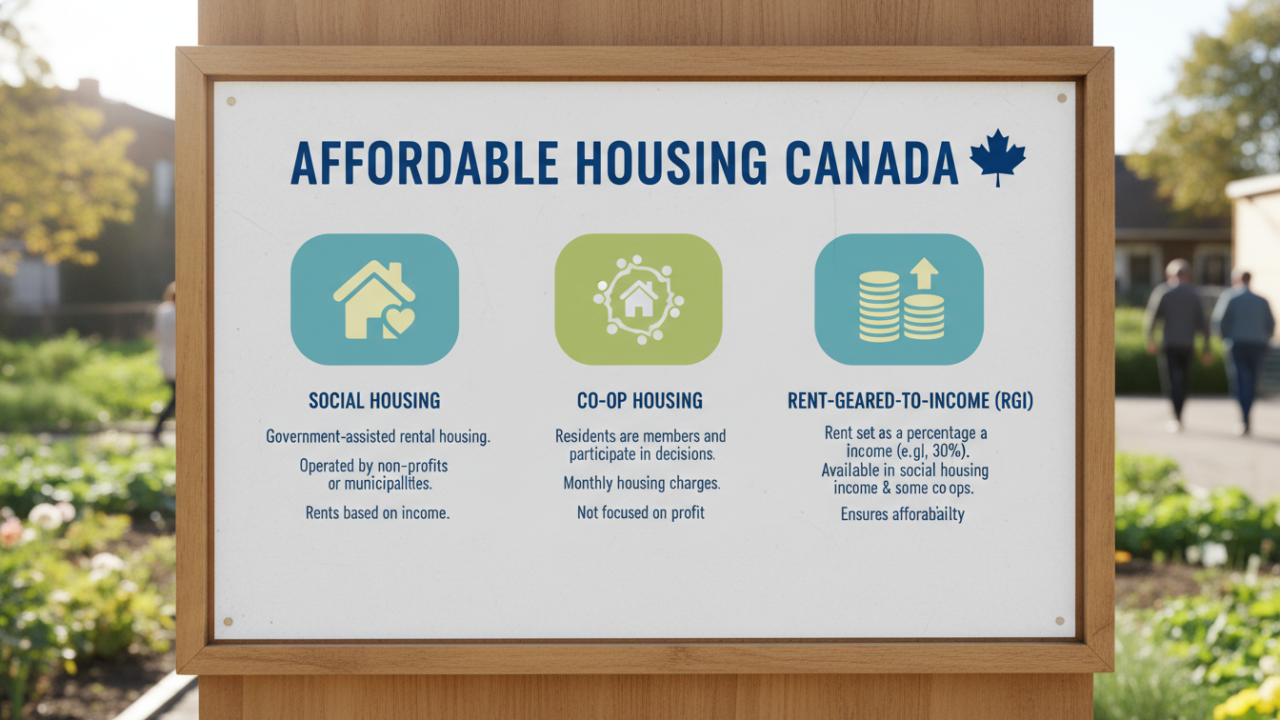
When exploring the options for affordable housing in Canada, it’s essential to understand the different types available. These can range from social housing to rent-geared-to-income units and cooperative housing. Each type serves a unique purpose, catering to varied needs and circumstances.
1. **Social Housing:** This is typically managed by government agencies or non-profit organizations. Social housing units are rented at below-market rates, helping low-income families secure stable living conditions. The waiting lists for such units can be long, and eligibility requirements vary based on location.
2. **Cooperative Housing:** In a co-op, residents collectively own and manage their building. Members pay a portion of the building’s operating costs, which makes it a more affordable option. Living in a co-op also means having a say in how the community is run, but it does require a commitment to participate in governance.
3. **Rent-Geared-to-Income (RGI):** This model adjusts rent based on the tenant’s income. If your income drops, so does your rent, making it a flexible and supportive option for many families. However, these programs are often limited, and eligibility criteria can be strict.
4. **Below-Market Rental Housing:** Some private landlords offer units at below-market rates as part of community initiatives or incentive programs. These units can provide immediate relief for those struggling with high rental costs, but they may not be widely available.
Government Initiatives and Programs
To tackle the affordable housing crisis, various levels of government in Canada have rolled out several initiatives and programs. Understanding these can help you access the assistance you need. The Canadian government, along with provincial and municipal bodies, has committed to investing in affordable housing projects.
One significant initiative is the **National Housing Strategy (NHS)**, which aims to reduce homelessness and improve access to affordable housing. This multi-year plan includes funding for building new affordable rental units, repairing existing ones, and supporting community housing projects. The NHS also focuses on specific populations, including Indigenous peoples and those experiencing homelessness.
Additionally, many provinces have launched their programs tailored to local needs. For instance, British Columbia’s **HousingHub** provides low-interest loans to developers to create affordable housing, while Ontario has implemented the **Community Housing Renewal Strategy**, aiming to create more affordable units across the province. Remote Work Canada Tax Tips: Maximize Your Deductions
If you’re looking for assistance, it’s wise to research local housing programs. Visiting your city’s housing department website can provide valuable information on available resources, eligibility criteria, and application processes.
Finding Affordable Housing: Tips and Resources
Finding affordable housing can feel overwhelming, but with the right resources and strategies, you can simplify the process. Here are some tips to help you in your search:
- Start with Online Listings: Websites like Kijiji, Craigslist, and local community boards often list affordable rental units. Filtering your search by price range can help you find suitable options.
- Connect with Housing Organizations: Non-profit organizations often have resources and listings for affordable housing. They can also provide guidance on navigating the application process.
- Network: Let friends, family, and colleagues know you’re looking for affordable housing. Word-of-mouth can lead to opportunities that aren’t widely advertised.
- Consider Different Locations: Sometimes, moving slightly outside urban centers can result in significant savings. Look into neighborhoods that are accessible yet more affordable.
- Stay Informed: Keep an eye on local news, as new projects and initiatives frequently arise, which could provide additional options for affordable housing.
The Role of Non-Profits and Community Organizations
Non-profit organizations play a vital role in addressing the affordable housing crisis in Canada. They often provide essential services, including housing development, advocacy, and support for individuals in need. These organizations work to build new units, rehabilitate existing properties, and provide resources for those searching for affordable housing.
For example, groups like the **Canadian Housing and Renewal Association (CHRA)** advocate for policies that support affordable housing and provide resources for community organizations. They also run programs that connect individuals with housing options, making it easier to navigate available resources.

Additionally, local community organizations often offer workshops and seminars that educate individuals on their housing rights, tenant responsibilities, and financial literacy. Engaging with these organizations can empower you to make informed decisions regarding your housing situation.
The Challenges of Accessing Affordable Housing
Despite the various programs and resources available, many Canadians still face significant barriers to accessing affordable housing. One of the most pressing issues is the lack of available units. With demand outpacing supply, even those who meet eligibility criteria may find it challenging to secure a place.
Another challenge is the complexity of application processes. Many affordable housing programs have strict requirements, and the paperwork can be daunting. It’s essential to stay organized and ensure you meet all necessary criteria, which often include income verification and rental history.
Additionally, geographical disparities can complicate the search for affordable housing. Some provinces or regions have more extensive resources than others, leading to uneven access across the country. It’s crucial to understand the local housing market and available support systems when searching for affordable options.
Future Trends in Affordable Housing
The future of affordable housing in Canada is evolving. Many experts agree that innovative solutions will be necessary to meet the growing demand. One promising trend is the increase in modular and prefabricated housing, which can be built more quickly and cost-effectively than traditional units. This method can help alleviate some of the pressure on the housing market. Best Cities to Live in Canada 2026
Another emerging trend is the focus on mixed-income developments, which integrate affordable housing into broader neighborhoods. This approach can create more diverse communities and reduce the stigma often associated with low-income housing.
Moreover, sustainability is becoming a central theme in housing development. Many new projects aim to be environmentally friendly, incorporating green materials and energy-efficient designs. Adopting such practices can lead to lower utility costs for residents, making housing even more affordable in the long run.
Conclusion: Your Next Steps
Finding affordable housing in Canada might seem daunting, but it’s essential to stay informed and proactive. Explore the various housing types available, leverage government programs, and connect with community organizations. Remember to utilize online resources and expand your search to nearby areas to discover the options that best suit your needs.
As the landscape of affordable housing continues to evolve, staying updated on trends and initiatives will empower you to navigate the complexities of the housing market. Your journey toward securing affordable housing starts now—take that first step!
FAQs
What qualifies as affordable housing in Canada?
Affordable housing is generally defined as housing that costs no more than 30% of a household’s gross income. This can include social housing, cooperative housing, and rent-geared-to-income units.
How can I apply for affordable housing in my area?
To apply for affordable housing, visit your local housing authority’s website. They provide application forms and details on eligibility criteria for various programs.
Are there any government grants for affordable housing?
Yes, the Canadian government offers various grants and funding programs for affordable housing initiatives, particularly under the National Housing Strategy.
What should I do if I am facing eviction?
If you’re facing eviction, contact a local housing organization immediately. They can provide legal advice and assistance with finding alternative housing options.
How does the housing market impact affordable housing availability?
Rising property prices and rental costs can decrease the availability of affordable housing, making it harder for low-income families to find suitable options. Economic factors heavily influence supply and demand in the housing market.