

Understanding the Tax Implications of Remote Work in Canada
Are you working remotely in Canada? Navigating the tax implications can be a bit tricky. With the rise in remote work, understanding how your tax obligations change is crucial. If you’re not aware, tax rules differ significantly based on where you live and work. This isn’t just about how much you earn but also where you earn it. Remote work Canada tax tips can help you maximize your deductions and minimize your liabilities.
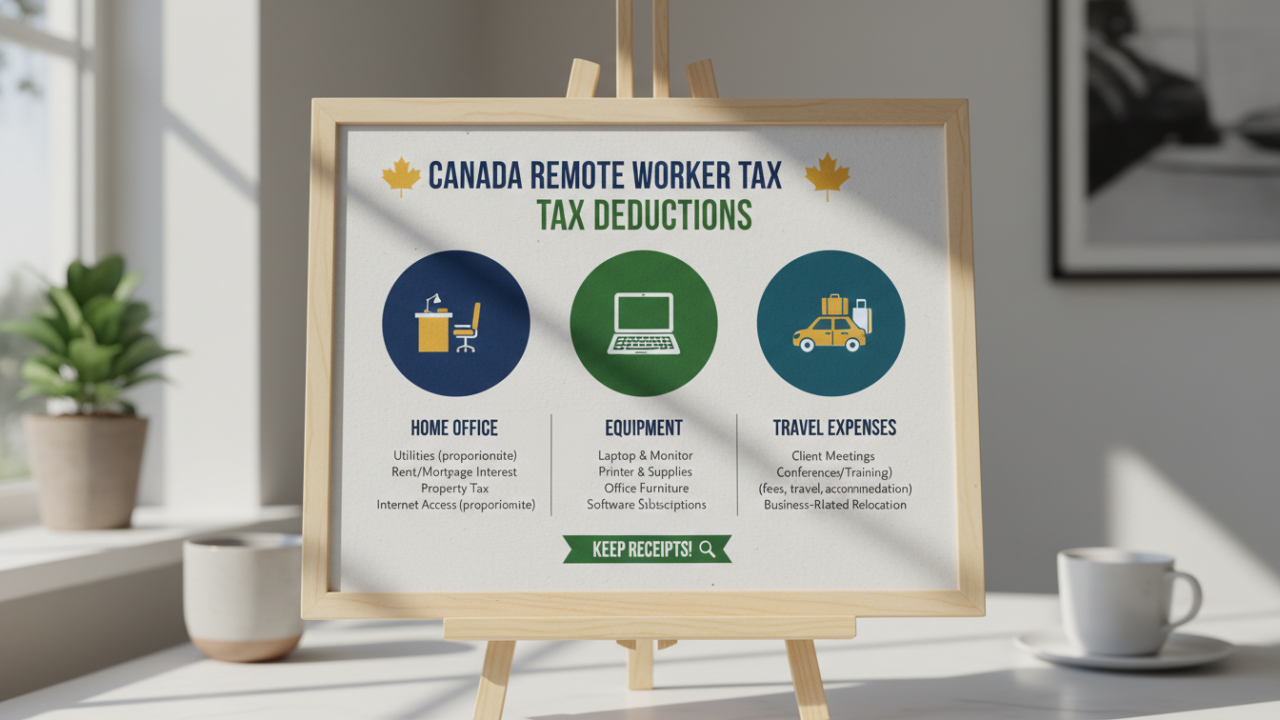
As a remote worker, you might think you can only claim deductions for your home office or equipment. However, there are several other areas you should consider. For instance, if you travel for work, you might be able to deduct travel expenses. The key is understanding what qualifies as a deduction and keeping thorough records. Also, consider the province in which you live, as tax rates and rules can vary significantly from one province to another.
Eligibility for Home Office Deductions
One of the most significant tax benefits available to remote workers is the home office deduction. This deduction allows you to claim a portion of your home expenses, such as utilities, internet, and even rent or mortgage interest, if you use part of your home exclusively for work purposes. But not everyone qualifies for this deduction. To be eligible, you must meet specific criteria set by the Canada Revenue Agency (CRA).
First, you need to use your home as your principal place of business or use it exclusively to earn income from your business. For example, if you have a dedicated office space that you use only for work, you can claim a larger portion of your expenses. If you work from home but also use that space for personal activities, you may have to calculate a percentage of the space used for work purposes. Keep in mind that the CRA has guidelines on how to calculate this, so it’s worth doing your homework.
Claiming Other Work-Related Expenses
Besides home office expenses, there are many other work-related costs you can claim. For remote workers, this can include everything from office supplies to software subscriptions. The essential thing to remember is that these expenses must be necessary for your job and not reimbursed by your employer. If your employer provides you with the supplies, you cannot claim those on your taxes.
- Office Supplies: Items like pens, paper, and printer ink can be claimed as deductions.
- Internet and Phone: A portion of your internet and phone bills can be claimed if you use them for work.
- Equipment: If you’ve purchased a new computer or other equipment for work, those costs can be deducted.
Keep detailed receipts and records of these expenses. It’s easy to overlook small purchases, but they can add up to significant savings when tax season rolls around.
Understanding Provincial Tax Variations
Canada’s tax system can vary by province, and understanding these differences is crucial for remote workers. Depending on where you live, you may be subject to different tax rates and rules. For instance, provinces like British Columbia have higher income tax rates compared to provinces like Alberta. This means your take-home pay can vary significantly based on where you reside.

Moreover, some provinces offer specific deductions or credits that can benefit remote workers. For example, if you’re living in Quebec, you might be eligible for unique programs that support remote work. Always check the provincial regulations to ensure you’re maximizing your tax benefits. This is where local tax professionals can provide invaluable guidance tailored to your situation. Best Cities to Live in Canada 2026
Filing Your Taxes as a Remote Worker
The process of filing taxes as a remote worker can feel daunting, but it doesn’t have to be. Start by gathering all your necessary documents, including T4 slips from employers, receipts for expenses, and any other relevant financial information. Organizing these documents ahead of time can simplify your filing process.
Consider using tax software that can guide you through the process. Many of these programs are designed to help you find all possible deductions, including those specific to remote work. If your situation is complicated, or you’re unsure about certain deductions, consulting a tax professional familiar with remote work tax laws can be a wise investment. They can help you maximize your deductions and ensure you’re compliant with all tax regulations.
Impact of Remote Work on Employment Insurance and Benefits
Working remotely can also impact your eligibility for Employment Insurance (EI) and other benefits. If you’re self-employed or working as a contractor, your access to EI may be different compared to traditional employees. Understanding how your employment status affects your taxes and benefits is crucial.
For example, if you’ve been laid off from a remote job, you might be eligible for EI benefits, but you need to meet specific criteria. Additionally, if you’re operating a business from home, you may need to pay into the Canada Pension Plan (CPP). It’s essential to review these factors to ensure you’re adequately prepared.
Strategies for Maximizing Tax Deductions
Now that you understand the various deductions available to remote workers, let’s look at some strategies to maximize those tax benefits. First, keep meticulous records of all your expenses. Use apps or spreadsheets to track your receipts throughout the year. This will save you time during tax season and ensure you don’t miss any deductions.
Next, consider pre-paying certain expenses. If you know you’ll need a specific software subscription or office supply, paying for it before the end of the tax year can allow you to claim that deduction for the current tax year. Finally, discuss your situation with a tax professional at least once a year. They can help you identify new deductions or credits that may apply to your circumstances.
Common Mistakes to Avoid
As a remote worker, it’s easy to make mistakes when filing your taxes, especially if you’re new to it. One common mistake is failing to keep receipts for all expenses. Even small purchases can add up, so be diligent about tracking them. Immigration News Canada 2026: Key Updates & Insights
Another pitfall is not understanding your eligibility for certain deductions. For instance, many remote workers assume they can claim all home expenses, but that’s not the case. Be sure to understand the rules around home office deductions to avoid issues with the CRA. Finally, don’t forget about deadlines. Missing a tax filing deadline can result in penalties, so mark your calendar and set reminders.
Conclusion and Resources
In conclusion, navigating the tax landscape of remote work in Canada requires careful planning and awareness. By understanding the deductions available to you, keeping thorough records, and consulting with professionals when necessary, you can optimize your tax situation significantly. For more information, consider visiting the CRA website or consulting resources specific to your province. Remember, the more informed you are, the better you can manage your tax obligations and maximize your benefits.
FAQs
1. What can I claim as a remote worker in Canada?
You can claim home office expenses, office supplies, internet and phone costs, and equipment purchases, provided they’re necessary for your work.
2. Do I need to keep receipts for all my expenses?
Yes, it’s crucial to keep receipts for all work-related expenses to substantiate your claims during tax filing.
3. How do I know if I qualify for the home office deduction?
You must use your home as your principal place of business or use a specific area exclusively for work to qualify for the home office deduction.
4. Are tax rates the same across Canada?
No, tax rates vary by province. Research your province’s rates to understand your obligations better.
5. Should I hire a tax professional?
If your tax situation is complex or you’re unsure about deductions, hiring a tax professional can be beneficial.