

The Rise of Electric Vehicles: A Shift Towards Budget-Friendly Options
Are you considering making the switch to electric? You’re not alone. With the growing concern around climate change and the volatility of fuel prices, more people are eyeing electric vehicles (EVs) as practical alternatives. By 2026, the market will be flooded with choices, especially in the budget segment. In this article, we’ll explore the best budget EV 2026 options that won’t break the bank while still delivering on performance and features.
The concept of budget EVs is evolving rapidly. Manufacturers are realizing that affordability doesn’t have to mean compromise. They’re integrating advanced technology and appealing designs into their budget-friendly models, making them attractive to a wide range of consumers. Let’s dive into what makes a budget EV worth considering and highlight some of the top contenders for 2026.
What to Look for in a Budget Electric Vehicle
When it comes to purchasing a budget EV, there are several key factors you should consider. First, think about your driving habits. How far do you typically drive in a day? Understanding your range requirements is crucial. Most budget EVs are designed to cover the average daily commute, but it’s wise to verify the specifications.
Next, consider the charging infrastructure. In many areas, public charging stations are becoming more common, but it’s essential to determine whether you’ll have access to a charging outlet at home. Additionally, evaluate the vehicle’s warranty and maintenance plan. A solid warranty can save you money in the long run. Now, let’s look at some of the top features to prioritize:
- Range: Look for EVs that offer a range of at least 200 miles on a single charge.
- Charging Speed: Fast charging capabilities can be a game-changer for busy lifestyles.
- Safety Features: Advanced Driver Assistance Systems (ADAS) should be standard.
- Technology: Infotainment systems and connectivity options enhance the driving experience.
Top Budget EV Models for 2026
Now, let’s take a closer look at some of the most anticipated budget EV models for 2026. These vehicles not only promise affordability but also functionality and style. Here are the standout options:
1. Nissan Leaf
The Nissan Leaf has been a staple in the electric vehicle market for years, and it’s expected to continue its reign in 2026. With an estimated range of around 226 miles, it’s a practical choice for daily commutes. The Leaf’s spacious interior and user-friendly technology make it appealing to families as well.
2. Chevrolet Bolt EV
Another long-standing favorite, the Chevrolet Bolt EV, is set to return with an updated design and enhanced features. Its anticipated range of approximately 259 miles on a full charge ensures you can go further without anxiety. Plus, its affordability makes it a top contender in the best budget EV 2026 category.

3. Hyundai Kona Electric
The Hyundai Kona Electric combines style with practicality. It’s compact but offers ample cargo space and has a range of about 258 miles. Its dynamic design and cutting-edge technology make it a favorite among younger buyers looking for their first EV. Agentic AI Explained Simply: Understand Its Impact Today
4. Kia Niro EV
Kia continues to impress with its Niro EV, expected to deliver a balance of performance and efficiency. With a range of around 239 miles, the Niro EV is versatile enough for urban driving and longer trips alike. It also boasts a spacious interior, making it a family-friendly option.
Comparing Key Features of Budget EVs
| Model | Estimated Range (miles) | Charging Time (DC Fast Charge) | Starting Price |
|---|---|---|---|
| Nissan Leaf | 226 | 40 minutes | $27,000 |
| Chevrolet Bolt EV | 259 | 30 minutes | $26,500 |
| Hyundai Kona Electric | 258 | 54 minutes | $34,000 |
| Kia Niro EV | 239 | 45 minutes | $39,000 |
The Environmental Impact of Budget EVs
Switching to an electric vehicle isn’t just about saving money; it’s also about contributing to a greener planet. Budget EVs, in particular, are making waves by offering an accessible way for more people to reduce their carbon footprint. EVs produce zero tailpipe emissions, which directly reduces air pollution in urban areas.
Moreover, many manufacturers are prioritizing sustainable practices in their production processes. For instance, companies like Nissan and Hyundai are investing in renewable energy sources for manufacturing. This commitment to sustainability enhances the positive environmental impact of driving electric. By choosing a budget EV, you’re not only getting a cost-effective vehicle but also playing a role in fostering a healthier planet.
Government Incentives and Rebates
One of the most appealing aspects of purchasing a budget EV is the potential for government incentives. In many regions, buyers can take advantage of tax credits, rebates, and grants specifically designed to promote electric vehicle adoption. For instance, in the U.S., federal buyers may qualify for a tax credit of up to $7,500 depending on the vehicle’s battery capacity and the manufacturer’s sales volume.
Additionally, many states offer their own incentives, which can further reduce the overall cost of buying an EV. These incentives vary widely, so it’s crucial to check local regulations. Moreover, some utility companies provide discounts on home charging installations, making it even more affordable to transition to electric. Therefore, when budgeting for your new EV, don’t forget to factor in these potential savings!
Charging Infrastructure for Budget EVs
The charging infrastructure is continually expanding, making it easier than ever to own an EV, even on a budget. Major cities are seeing a significant uptick in public charging stations, which can alleviate range anxiety. Charging your budget EV at home is also becoming more common, with many homeowners opting for Level 2 chargers that can fully charge their vehicle overnight.
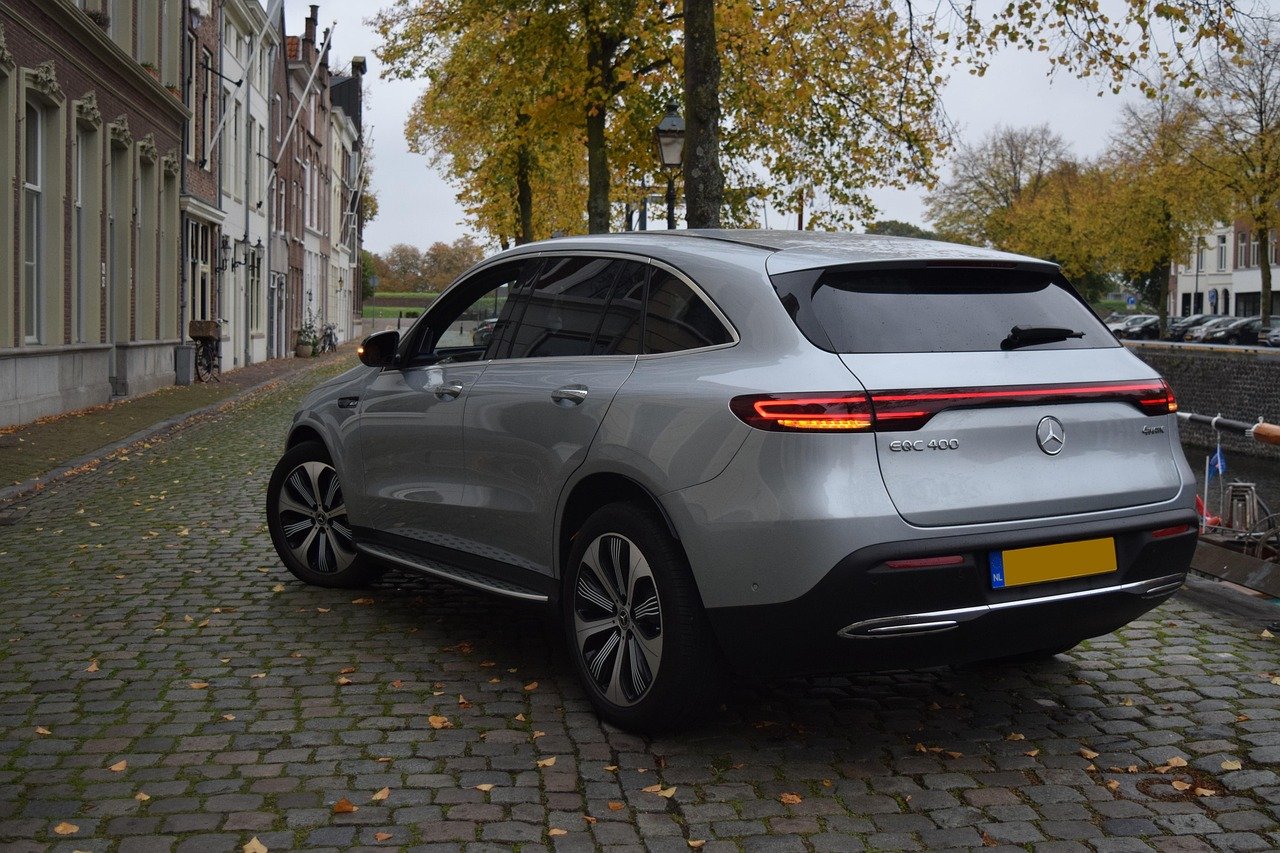
Moreover, automakers are increasingly partnering with charging networks to provide drivers with access to fast charging options. Companies like ChargePoint and Electrify America are leading the charge, literally, by offering comprehensive charging solutions. If you’re considering a budget EV, make sure to research the availability of charging stations in your area to ensure you can maintain your driving habits without interruptions. How to Use Claude AI for Free: A Complete Guide
Conclusion: Your Path to Affordable Electric Driving in 2026
As we look toward 2026, the prospects for budget electric vehicles are brighter than ever. With numerous options hitting the market, there’s bound to be a model that fits your needs and budget. The best budget EV 2026 will not only save you money at the pump but will also contribute to a cleaner environment.
Whether you’re driving a Nissan Leaf, Chevrolet Bolt EV, or any other emerging model, you’re joining a movement that prioritizes sustainability without sacrificing quality. Keep an eye on the developments in this space and prepare to make your switch to electric with confidence!
FAQs
1. What’s the average range for budget EVs in 2026?
The average range for budget EVs is expected to be around 200 to 259 miles, depending on the model.
2. Are there government incentives for buying budget EVs?
Yes, buyers may qualify for federal tax credits and state incentives, which can significantly reduce the purchase price.
3. How long does it take to charge a budget EV?
Charging times vary, but many budget EVs can be charged to 80% in 30 to 54 minutes using DC fast charging stations.
4. Can I charge a budget EV at home?
Absolutely! Many owners install home charging stations, which allow for convenient overnight charging.
5. What features should I look for in a budget EV?
Look for range, charging speed, safety features, and technology like infotainment systems to enhance your driving experience.