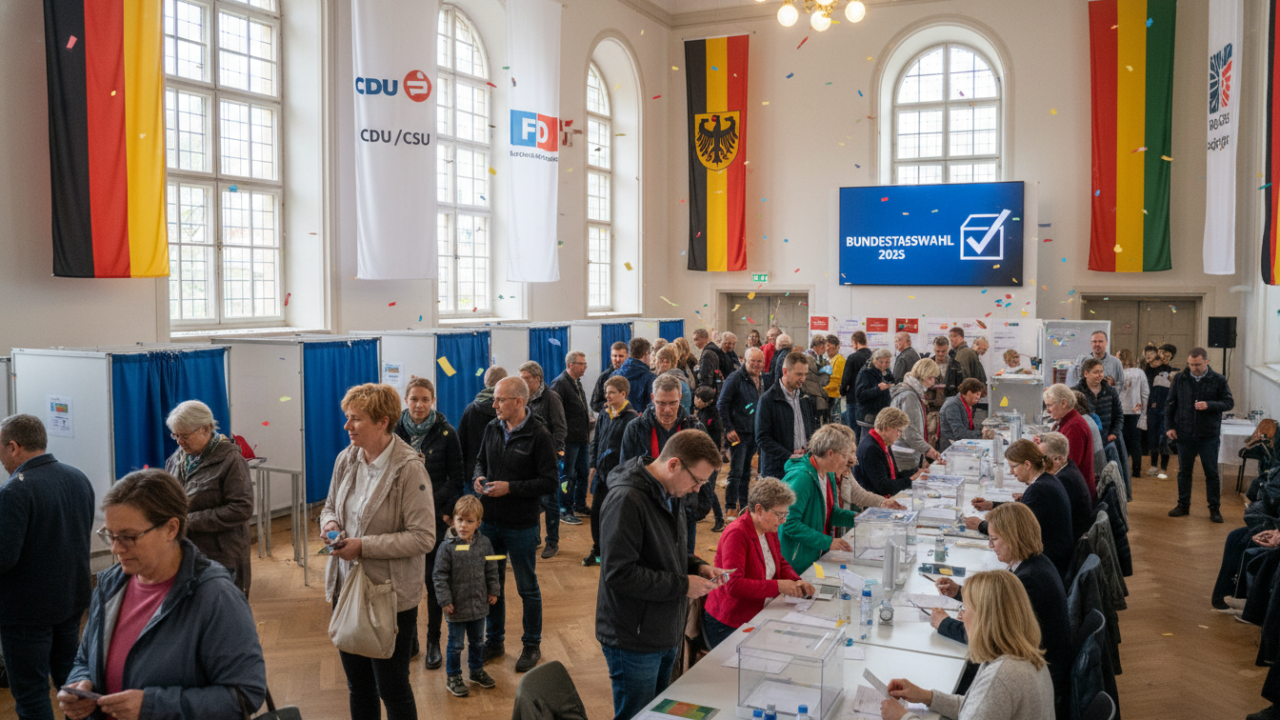
Analyzing the Bundestagswahl 2025 Results
The Bundestagswahl 2025 results impact is a topic that demands a thorough examination, particularly as Germany stands at a crossroads in its political and economic landscape. The results of this election will not only shape the domestic policies of Germany but will also reverberate across Europe and the global stage. With the rise of new parties and the consolidation of established ones, the implications of these results will be felt in various sectors, from social policy to economic strategies.
As voters head to the polls, there are several factors at play, including the ongoing effects of the COVID-19 pandemic, the war in Ukraine, and climate change. Each of these elements influences voter sentiment, driving shifts in party loyalty and priorities. The significance of these elections cannot be overstated; they will determine who leads Germany for the next four years and how they will tackle pressing issues.
Key Players in the Bundestagswahl 2025
The political landscape in Germany is diverse, with several parties vying for power. Key players include the Social Democratic Party (SPD), the Christian Democratic Union (CDU), and the Greens. Each of these parties has its own vision for Germany’s future, and the Bundestagswahl 2025 results impact will depend heavily on how they resonate with the electorate.
The SPD, having formed a coalition government, seeks to solidify its position by addressing social inequality and climate change. The CDU, now in opposition, aims to regain trust by focusing on economic stability and national security. Meanwhile, the Greens continue to push for aggressive environmental policies. The interplay between these parties will significantly shape Germany’s policies on both domestic and international fronts.
The Voter Demographics and Trends
Understanding the demographics of voters is crucial in predicting the Bundestagswahl 2025 results impact. Young voters are increasingly influential, with their priorities often centered around climate action and social justice. In contrast, older voters may prioritize economic stability and national security, reflecting their life experiences and concerns.
Moreover, urban areas tend to lean more towards progressive parties like the Greens and the Left, while rural regions often support conservative parties such as the CDU. This demographic divide can lead to significant variations in voting patterns and, ultimately, in the election results.
Potential Coalition Scenarios
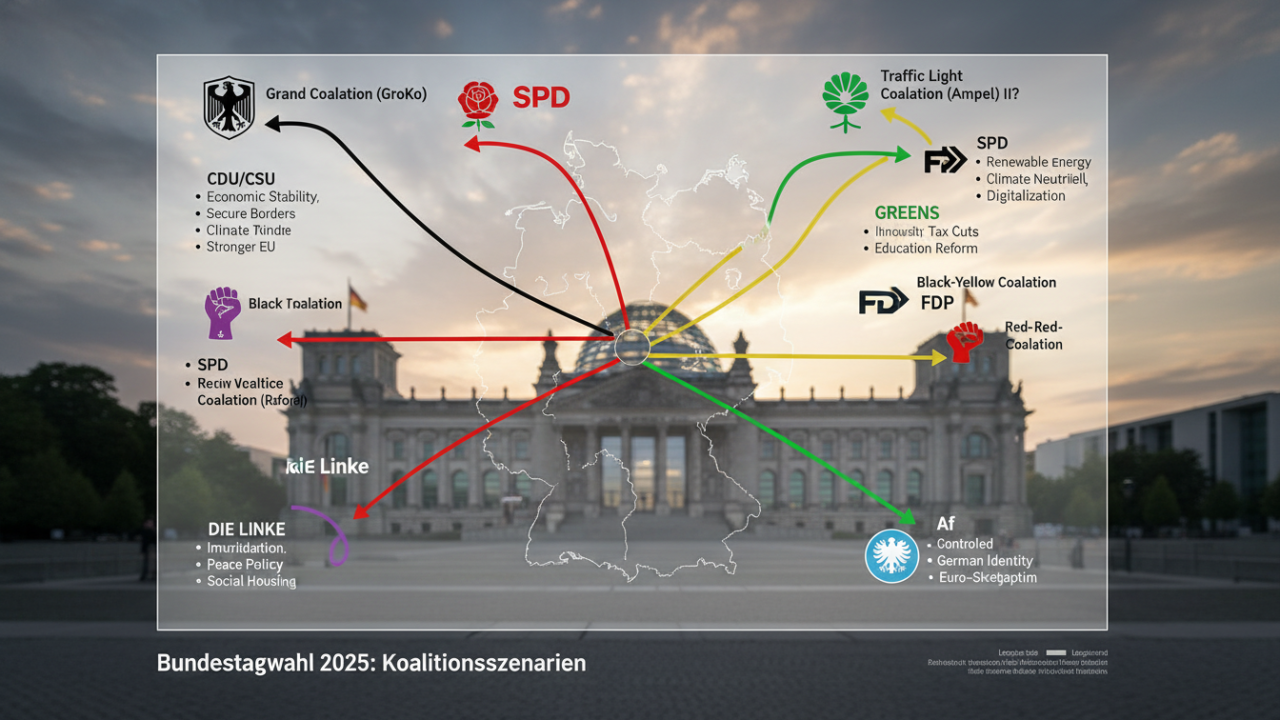
With no party likely to secure an outright majority, coalition-building will be a critical aspect of the Bundestagswahl 2025 results impact. Various combinations could emerge, each with different implications for policy direction. A potential coalition between the SPD and the Greens could lead to more aggressive climate policies and social reforms. On the other hand, a coalition involving the CDU could steer Germany back towards more conservative fiscal policies.
Analyzing past coalition patterns can provide valuable insights. Historically, parties have shifted alliances based on changing voter sentiments and societal needs. Thus, understanding these dynamics is essential for anticipating the likely outcomes of coalition negotiations post-election. EU AI Act explained 2026: What You Need to Know
Impact on Economic Policy
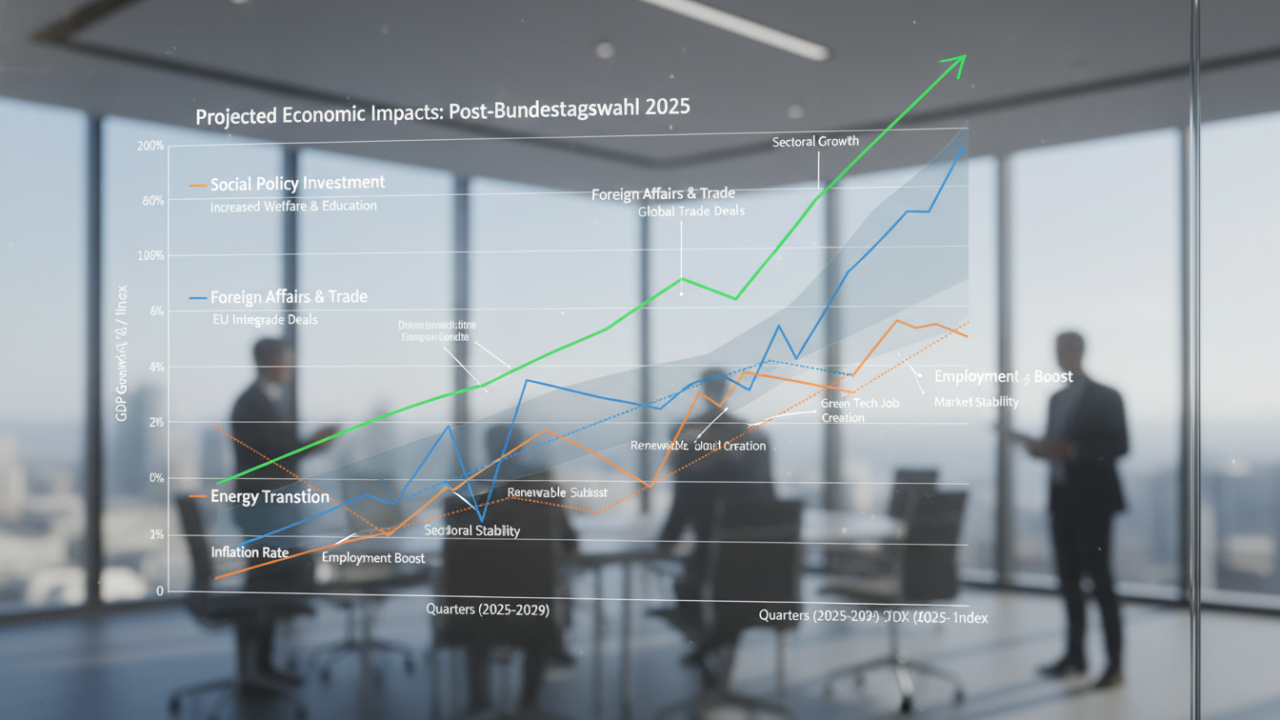
The economic implications of the Bundestagswahl 2025 results impact are profound. Germany, as Europe’s largest economy, plays a pivotal role in shaping economic policies that affect the entire European Union. Depending on which party or coalition comes to power, we could see drastic shifts in fiscal strategies, taxation, and public spending.
For instance, if the SPD and the Greens form a government, we might witness increased investment in green technologies and infrastructure. Conversely, a CDU-led government could focus on traditional economic stability measures, potentially slowing down the green transition. Understanding these potential shifts helps businesses and investors make informed decisions in the lead-up to the election.
Foreign Policy Considerations
The Bundestagswahl 2025 results impact will extend beyond Germany’s borders, influencing its foreign policy stance. Germany has been increasingly active in global affairs, particularly concerning security and climate issues. The new government’s approach to NATO, relations with Russia and China, and contributions to global climate agreements will be critical.
For example, a coalition that includes the Greens may adopt a more assertive stance on climate diplomacy, pushing for stronger commitments from other nations. In contrast, a CDU-led government could prioritize economic relationships, potentially at the expense of climate commitments. These foreign policy directions will shape Germany’s role on the world stage and how it interacts with other nations.
Social Policies and Reforms
One of the most immediate impacts of the Bundestagswahl 2025 results impact will be seen in social policies. Issues such as immigration, healthcare, and education are at the forefront of voter concerns. Depending on the election outcome, reforms in these areas could either advance or stall.
The SPD has been vocal about increasing social welfare programs, while the CDU may focus on stricter immigration policies. The Greens advocate for inclusivity and sustainability within social frameworks. These differences highlight the potential for significant changes in how Germany addresses social inequities and supports its citizens.
The Role of Media and Public Opinion
Media plays a crucial role in shaping public opinion ahead of the Bundestagswahl 2025 results impact. Coverage of key issues, party platforms, and candidate performances can influence voter perceptions and turnout. Social media, in particular, has transformed how parties communicate with voters, often highlighting grassroots movements and concerns. Canada Student Visa Update 2026: What You Need to Know
Engagement through various platforms can sway undecided voters. For instance, if a party successfully mobilizes support through social media campaigns that address pressing concerns, it could significantly influence the election outcome. Understanding these dynamics is essential for interpreting the results.
Future Projections and Implications
As we approach the election, various analysts and political experts are making projections about the Bundestagswahl 2025 results impact. These projections often consider polling data, historical trends, and current events. While predictions can provide insights, they also come with uncertainties, given the volatile nature of politics.
Post-election, the implications will extend beyond immediate policy changes. Depending on the election outcome, we could see shifts in public trust towards government institutions, potential social unrest, or increased political engagement among citizens. These factors will shape Germany’s future in both the short and long term.
FAQs
What is the significance of the Bundestagswahl 2025?
The Bundestagswahl 2025 is crucial for determining Germany’s political direction and will influence domestic and international policies for the upcoming years.
How does the election impact the economy?
The results will shape fiscal policies, taxation, and public spending, affecting both domestic growth and Germany’s role in the European economy.
What role do coalition governments play?
Coalition governments can significantly alter policy directions, as no single party is likely to achieve a majority, necessitating cooperation between different political groups.
How will the election affect Germany’s foreign policy?
The new government’s stance on NATO, relations with Russia, and climate agreements will be influenced by the election results, impacting Germany’s global standing.
Where can I find more information about the election?
For deeper insights, you can check reputable news sources and political analysis websites.