

The EU AI Act: An Overview
The EU AI Act explained 2026 is a significant piece of legislation aimed at setting a framework for artificial intelligence within the European Union. Implemented to regulate how AI systems are developed, deployed, and used, this act has stirred considerable interest and debate among stakeholders. It addresses various aspects of AI, including its potential risks, ethical guidelines, and accountability measures. As we advance into 2026, understanding the nuances of this act becomes paramount for businesses, developers, and consumers alike.
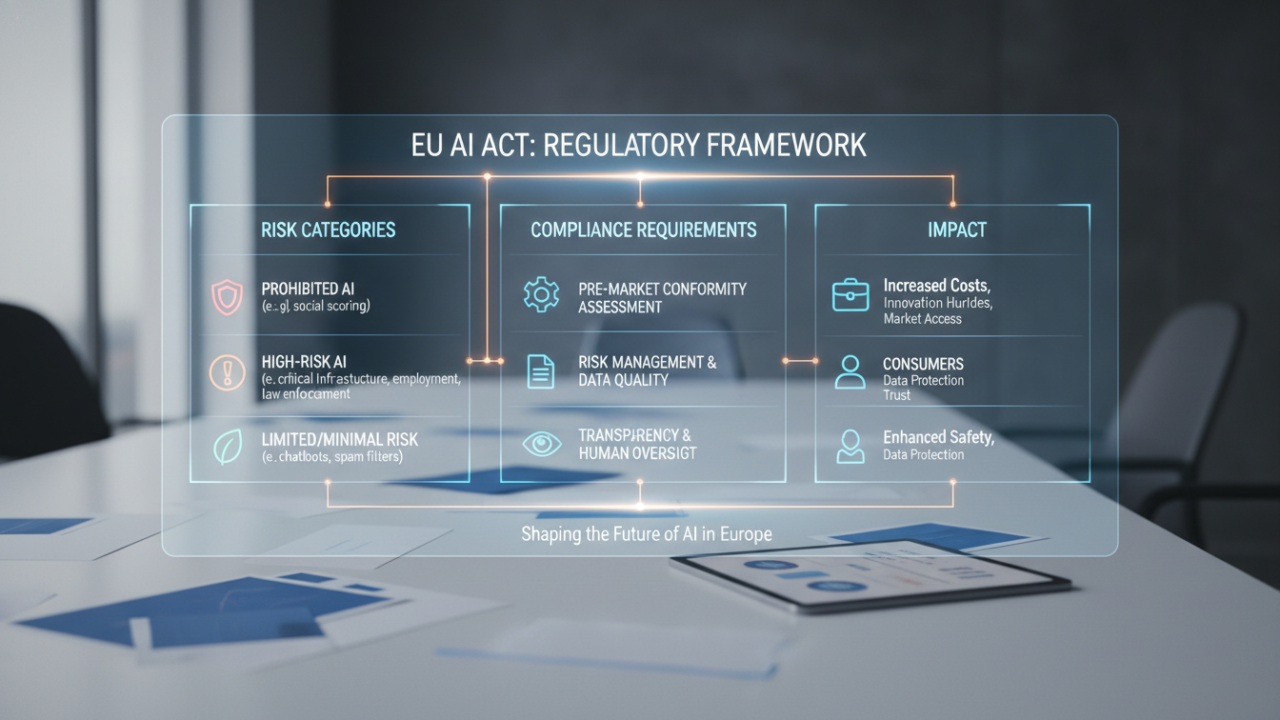
The act categorizes AI systems based on their risk levels—unacceptable, high, and low. Each category comes with different requirements and obligations. For example, AI systems deemed ‘unacceptable’ pose significant risks to safety or fundamental rights and are prohibited altogether. High-risk AI systems must comply with strict regulations, including conformity assessments and ongoing monitoring. Meanwhile, low-risk systems are subject to minimal requirements, mainly concerning transparency and user information.
Key Components of the EU AI Act
Understanding the EU AI Act explained 2026 requires a look into its key components. These include risk classification, obligations for providers and users of AI systems, and enforcement mechanisms. The framework seeks to create a trustworthy AI ecosystem, ensuring that innovations do not compromise user safety or rights.
Risk classification is central to the act. High-risk AI systems—like those used in critical infrastructure, biometric identification, and education—face stringent scrutiny. These systems must undergo rigorous testing before they can be brought to market. Moreover, they must ensure transparency, allowing users to understand how decisions are made. In contrast, lower-risk systems are encouraged but not mandated to follow similar guidelines, allowing for innovation while still considering user safety.
Implications for Businesses and Developers
For businesses and developers, the EU AI Act explained 2026 brings both opportunities and challenges. Companies that develop AI technologies must adapt to comply with the act’s requirements, which can be resource-intensive. Non-compliance could result in hefty fines, making it essential for organizations to understand the implications thoroughly.
This act may lead to a more standardized approach to AI development in the EU. Companies that proactively align their practices with the regulations may gain a competitive edge, appealing to consumers who prioritize ethical considerations in technology. Moreover, businesses can leverage compliance as a marketing point, showcasing their commitment to responsible AI use. This shift toward responsibility could catalyze a broader change in how technology is perceived by the public.
Ethical Considerations in the EU AI Act
One of the most crucial aspects of the EU AI Act explained 2026 is its emphasis on ethics. The legislation strives to ensure that AI development aligns with fundamental rights and democratic values. This means that developers must consider the ethical implications of their technologies from the outset.
For instance, transparency is a significant ethical concern. AI systems must provide users with clear information about how decisions are made, especially in high-stakes situations like healthcare or criminal justice. Additionally, biases in AI algorithms must be addressed to prevent discrimination. Developers are encouraged to implement fairness measures and conduct regular audits to identify and mitigate potential biases. This focus on ethics not only protects users but also enhances public trust in AI technologies. Canada Student Visa Update 2026: What You Need to Know
Compliance Guidelines for High-Risk AI Systems
High-risk AI systems face the most stringent requirements under the EU AI Act explained 2026. These guidelines outline specific compliance measures that developers must follow. For instance, before launching a high-risk AI product, developers must conduct a conformity assessment to demonstrate that their system meets the mandatory requirements.
Additionally, high-risk systems must implement robust data governance processes. This includes ensuring data quality, maintaining user privacy, and securing data against breaches. Organizations must also have a risk management system in place to continuously monitor AI performance and mitigate risks as they arise. Regular audits and impact assessments are essential to maintain compliance and demonstrate accountability.
Impact on Consumer Rights
The EU AI Act explained 2026 significantly impacts consumer rights, as it aims to protect individuals from potential harm caused by AI systems. By enforcing transparency and accountability, the act empowers consumers to make informed choices about the technologies they engage with.
Consumers will have the right to seek redress if they are adversely affected by AI systems. This could include issues like incorrect decisions made by AI in critical areas such as healthcare or finance. The act also emphasizes the right to explanation, where users can request information about how and why a particular decision was made by an AI system. Such rights enhance consumer confidence and encourage responsible AI development.
Challenges and Criticisms of the EU AI Act
While the EU AI Act explained 2026 presents a forward-thinking approach to AI regulation, it is not without its challenges and criticisms. Critics argue that the act may stifle innovation, especially for startups and smaller companies that may struggle to meet compliance requirements.
Another concern is the potential for regulatory overlap with existing laws. Businesses may face confusion regarding which regulations to follow, particularly if they operate across multiple jurisdictions. Furthermore, the enforcement mechanisms of the act need to be clearly defined to ensure that companies are held accountable while still allowing for innovation.

Looking Ahead: The Future of AI Regulation
The implementation of the EU AI Act explained 2026 signals a significant shift in how AI technologies will be regulated. As AI continues to evolve, future updates to the act will likely be necessary to address emerging challenges and technologies. Stakeholders from various sectors must engage in ongoing dialogue to ensure that regulations keep pace with innovation. Affordable Housing Canada Blog: Your Guide to Options
Additionally, international cooperation will be crucial. As AI technologies transcend borders, harmonizing regulations globally will be essential to prevent regulatory arbitrage. The EU’s leadership in AI regulation may set a precedent that influences other regions, leading to a more unified approach to AI governance worldwide.
FAQs
What is the EU AI Act?
The EU AI Act is legislation aimed at regulating artificial intelligence systems within the EU, categorizing them based on risk levels and implementing compliance measures.
How does the EU AI Act affect businesses?
Businesses must adapt to the act’s requirements, especially for high-risk AI systems, which need to undergo assessments and maintain transparency to avoid penalties.
What are the implications for consumer rights?
The act enhances consumer rights by ensuring transparency in AI decision-making and providing avenues for redress if harmed by AI systems.
Are there penalties for non-compliance?
Yes, businesses face significant fines for failing to comply with the regulations established by the EU AI Act, emphasizing the importance of adherence.
Will the EU AI Act evolve over time?
Yes, as AI technologies continue to develop, the act will likely be updated to address new challenges and ensure comprehensive regulation.