
How to Clean Window Screens: A Simple Step-by-Step Guide
Quick answer: Remove the screens from the frame, vacuum or brush off loose dirt, wash both sides with a mild soap solution (or a diluted vinegar solution for rust and oxidation), rinse thoroughly with a low-pressure hose, and let them dry completely before reinstalling. The whole process takes most people 15–20 minutes per screen.
Why cleaning your window screens matters
Dirty window screens are easy to ignore because you look through them, not at them — until the dust and grime built into the mesh start dimming the light and blurring the view. Beyond appearance, a soap-and-water wash also clears out the pollen, mold spores, and airborne particles that settle into the mesh, which matters if anyone in the house deals with allergies.
The good news is that cleaning a screen properly doesn’t take special equipment or much time — the process below works for standard fiberglass and aluminum window screens and takes most people 15–20 minutes per screen, most of which is drying time rather than active work.
Editorial note: This article was reviewed by the Techmii editorial team and fact-checked against official documentation and trusted industry sources before publication. Learn more about our Editorial Policy.
Who this guide is for

This guide is for anyone doing routine seasonal maintenance on standard fiberglass or aluminum window screens at home. If your screens have torn mesh, bent frames, or damage beyond surface dirt and staining, cleaning alone won’t fix that — at that point you’re better off looking into screen repair or replacement rather than a deeper clean.
Why you can trust this guide
The cleaning method and materials guidance below were checked against published cleaning instructions from window and screen manufacturers, since they have the clearest incentive to recommend methods that won’t void a warranty or damage the product. Where sources disagreed — for example, on exactly how often to clean — that’s noted rather than presented as a single settled number.
Fact check
Cleaning frequency and materials guidance in this article were checked against manufacturer cleaning pages from Phifer and Andersen Windows, and cross-referenced against independent home-improvement guides. Manufacturer guidance generally recommends a mild soap-and-water or diluted-vinegar solution and explicitly warns against harsh chemicals and pressure washers; where a source recommended ammonia for heavily soiled screens, that advice was treated as an outlier rather than repeated here, since it conflicts with the more common manufacturer guidance to avoid ammonia-based products entirely.
Disclosure
This article contains outbound links to manufacturer guidance used for verification. It does not contain affiliate links, and this site has no financial relationship with the companies mentioned that influenced this guide.
What you’ll need
- Soft brush or vacuum with a brush attachment: for removing loose dust and debris without damaging the mesh. Soft bristles matter here — stiff ones can snag or tear fine screen material.
- Mild dish soap or all-purpose cleaner: effective on everyday grime without being harsh on the mesh or frame. Skip anything containing bleach or strong solvents.
- White vinegar (optional): useful for rust spots and the crusty oxidation that shows up on older aluminum frames. A roughly 50/50 vinegar-to-water mix works well for both.
- Bucket or spray bottle: for mixing and applying your cleaning solution.
- Soft cloth, sponge, or microfiber cloth: for applying the solution and scrubbing without scratching.
- Garden hose with a low-pressure setting (optional): makes rinsing faster, especially for multiple screens — a showerhead works fine too if a hose isn’t available.
- A dry, flat surface or clean towels: for laying screens out to air dry without picking up new dirt.
Step-by-step instructions
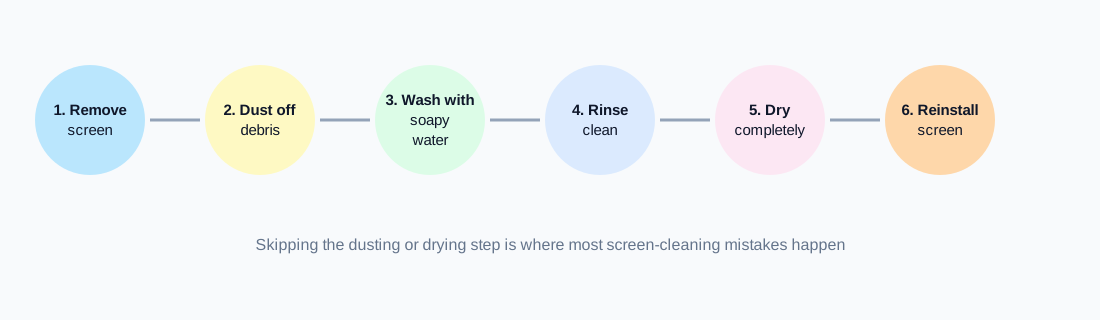
- Remove the screens. Carefully take each screen out of its frame so you can clean both sides properly. Most residential screens release via small tabs, clips, or leaf springs along one or two edges — check your window manufacturer’s instructions if you’re not sure how yours release, and take your time so you don’t bend or crack the frame.
- Dust off loose debris. Use a soft brush or a vacuum with a brush attachment to remove loose dust, cobwebs, and pollen from both sides before you introduce any water. Skipping this step is one of the most common reasons screens end up looking streaky after washing — you’re essentially scrubbing dry dirt into a paste instead of lifting it off.
- Mix your cleaning solution. For everyday dirt, mix a few drops of mild dish soap into a bucket of warm water. For rust spots or the crusty white oxidation that shows up on older aluminum frames, use a roughly 50/50 mix of white vinegar and water instead, and let it sit on the affected area for several hours before scrubbing.
- Wash both sides. Using a soft cloth, sponge, or soft-bristled brush, work the solution into the mesh in gentle circular motions, paying extra attention to corners and edges where grime tends to build up. Avoid pressing hard — screen mesh stretches and tears more easily than it looks like it should.
- Rinse thoroughly. Rinse with a garden hose on a low-pressure setting, or use clean water in a spray bottle if a hose isn’t available. Rinse until the water runs clear — any leftover soap residue will attract dirt again almost immediately once the screen goes back in the window.
- Dry completely. Lay the screens flat or lean them upright in a shaded, well-ventilated spot until they’re completely dry. Avoid direct sunlight, which can warp some frame materials, and don’t rush this step — reinstalling a damp screen is one of the most common causes of mold and musty odors down the line.
- Reinstall the screens. Once fully dry, fit each screen back into its original frame, making sure it sits snugly with no gaps. While you’re at it, take a moment to check for tears, bent corners, or loose mesh — minor damage is worth repairing now rather than after another season of exposure.
Common mistakes to avoid
- Cleaning screens while they’re still in the frame. It’s faster, but it’s noticeably less effective and can push grime into the window track. Fix: always remove screens before a proper wash, and save in-place cleaning for a quick dusting between deep cleans.
- Using bleach, ammonia, or other harsh chemicals. These can degrade mesh fibers and corrode aluminum frames over time. Fix: stick to mild dish soap or a diluted vinegar solution.
- Skipping the dry-dusting step. Washing over loose dirt without brushing it off first tends to grind grit into the mesh rather than lift it away. Fix: always vacuum or brush both sides before introducing water.
- Not rinsing thoroughly enough. Leftover soap film attracts dirt right back once the screen is reinstalled. Fix: rinse until the water runs completely clear, checking corners and edges where residue tends to collect.
- Reinstalling before screens are fully dry. This is a common, easily avoidable cause of mold growth and musty smells. Fix: give screens extra time in a well-ventilated, shaded spot, and don’t reinstall until they’re bone dry.
- Using a pressure washer on high settings. The force can tear mesh or bend frames. Fix: if you use a pressure washer at all, keep it on the lowest setting and test a small area first — a garden hose is generally the safer choice.
FAQs
How often should I clean my window screens?
Recommendations vary somewhat by source: some window and screen manufacturers suggest once a year is enough under normal conditions, while many home-improvement guides recommend twice a year — typically spring and fall — especially if your screens are exposed to a lot of wind, pollen, or rain. If you notice visible buildup sooner than that, there’s no harm in cleaning more often.
Can I use a pressure washer to clean my window screens?
You can, but it’s risky — high pressure can tear the mesh or bend the frame, so most guidance recommends a garden hose on a low setting instead. If you do use a pressure washer, keep it on its lowest setting, maintain distance from the screen, and test a small, inconspicuous area first before doing the whole thing.
What should I do if my screens are heavily stained?
For stubborn stains, let a soap or vinegar solution sit on the affected area for several minutes to loosen the grime before scrubbing gently. A paste of baking soda and water is also effective on tough spots — apply it, let it sit for 10–15 minutes, then work it in with a soft brush. Avoid anything abrasive enough to tear the mesh.
Is it safe to clean window screens in direct sunlight?
It’s better to clean in the shade if you can. Direct sun causes cleaning solution to dry too fast, which tends to leave streaks or a hazy residue behind. If shade isn’t an option, work in smaller sections and move quickly, or wet the screen first to slow down how fast the solution dries.

What if my screens have rust or corrosion?
For rust on aluminum frames, a fine steel wool pad used gently can lift light surface rust before you wash the screen — go easy on the pressure so you don’t scratch the frame. A diluted white vinegar solution also helps with rust and general oxidation. If a screen is heavily rusted or corroded throughout the frame, cleaning likely won’t restore it, and replacement is probably the better long-term option.
Review methodology

The steps and materials guidance in this article were checked against published cleaning instructions from window and screen manufacturers and cross-referenced against independent home-improvement sources. No claims here are based on formal product testing we ran ourselves.
Last Reviewed: August 2026 | Last Updated: August 2026 | Next Scheduled Review: February 2027